Adriel Velez
← Selected work

Project 01 / Kitchen accessibility

EasePot

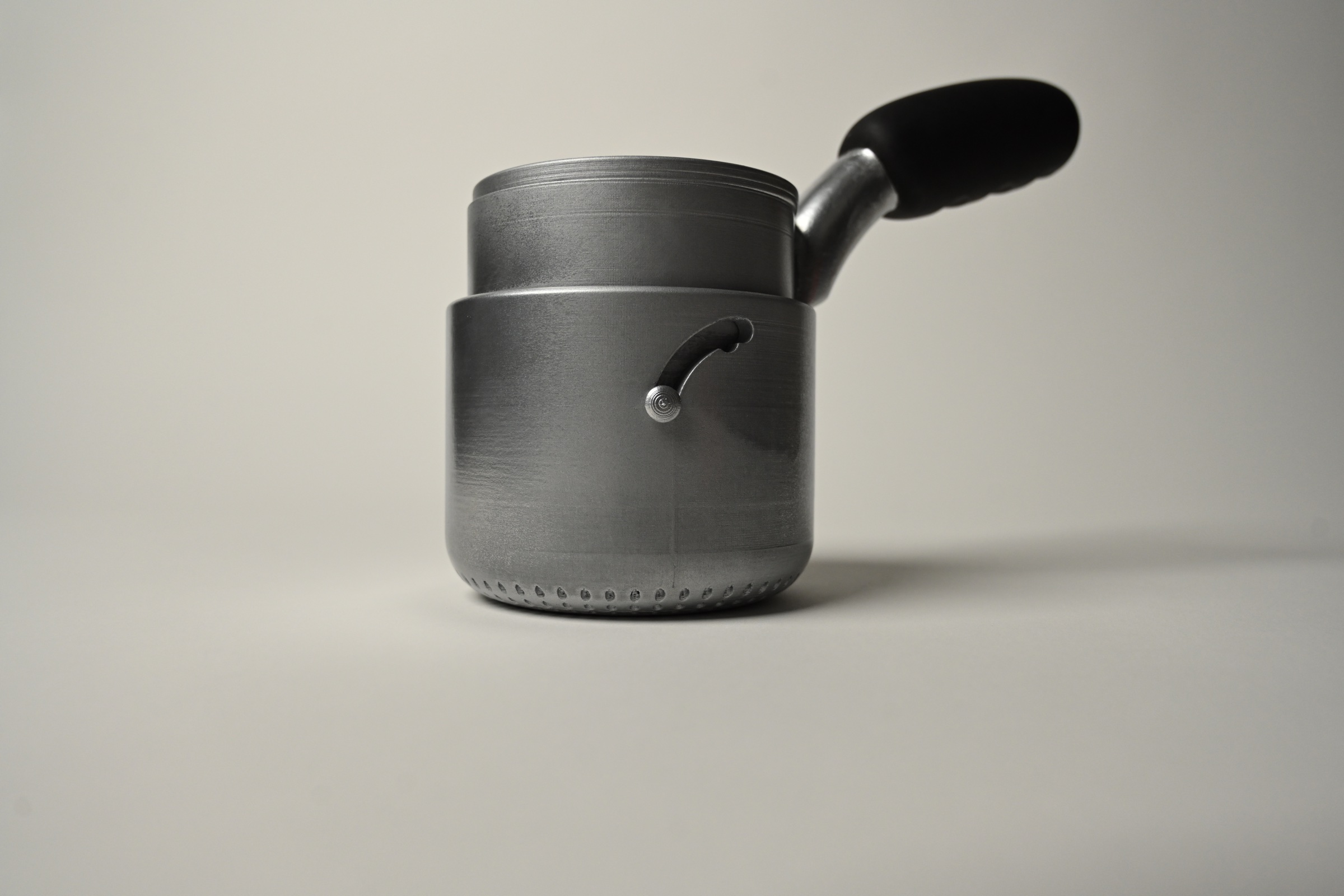
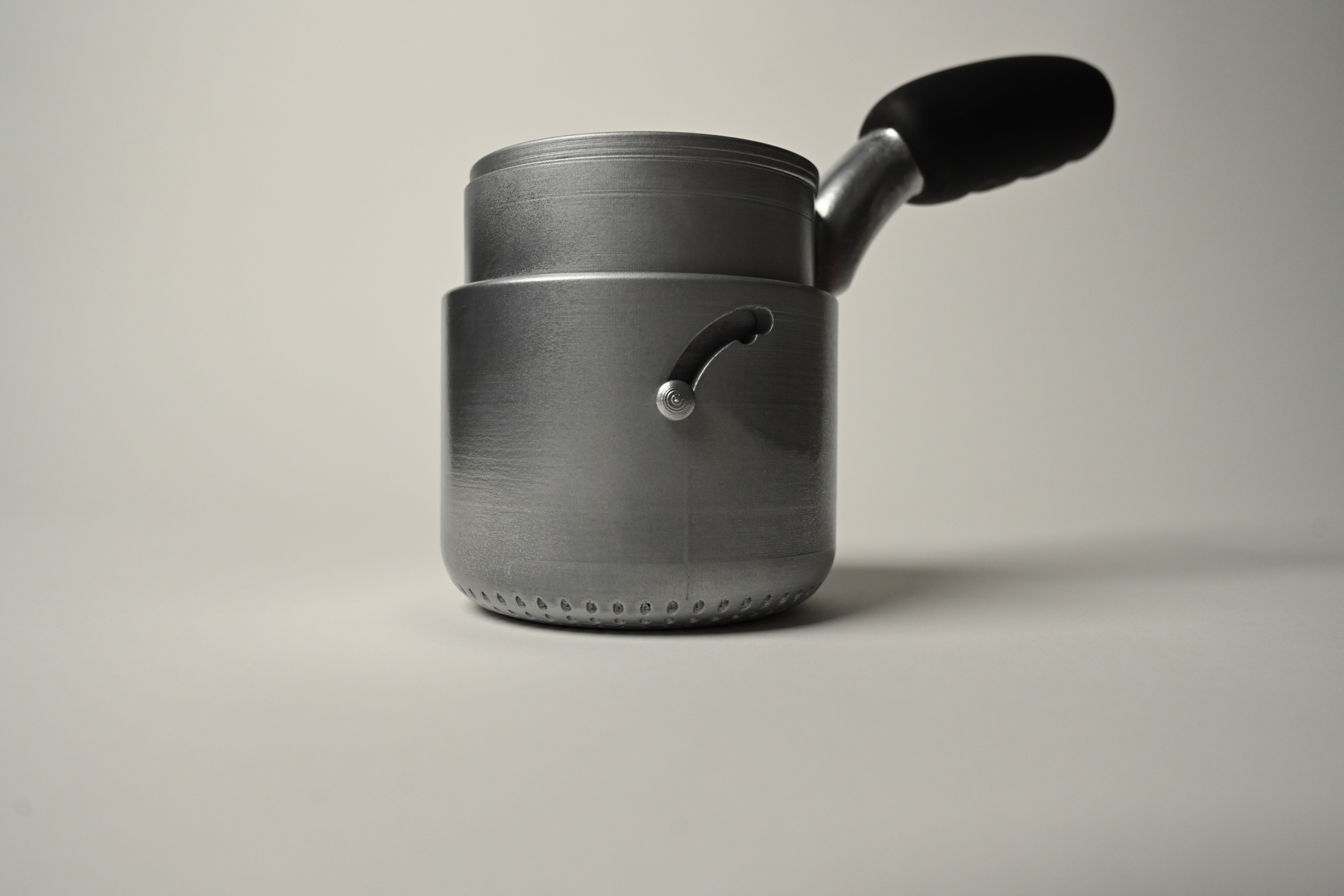
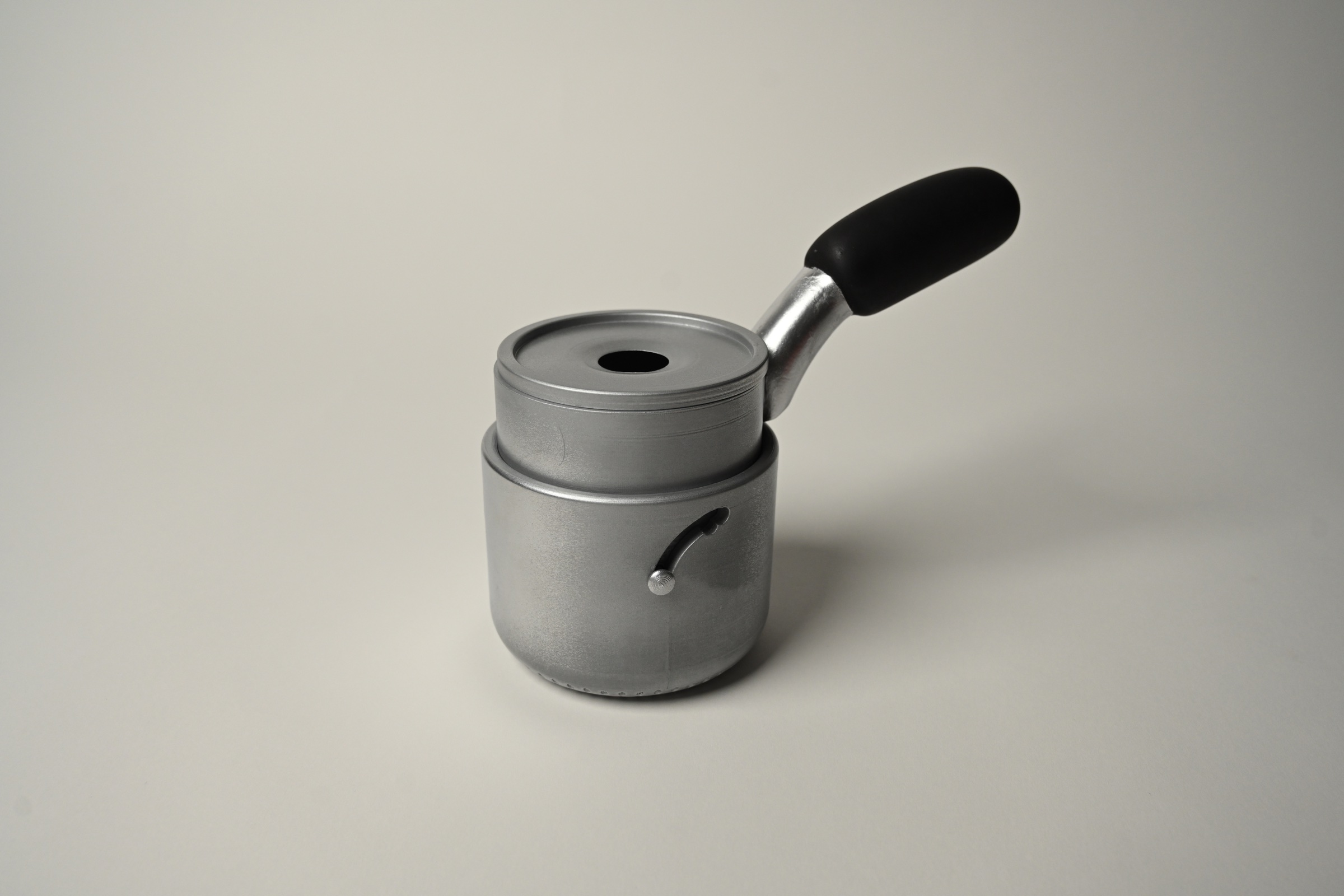
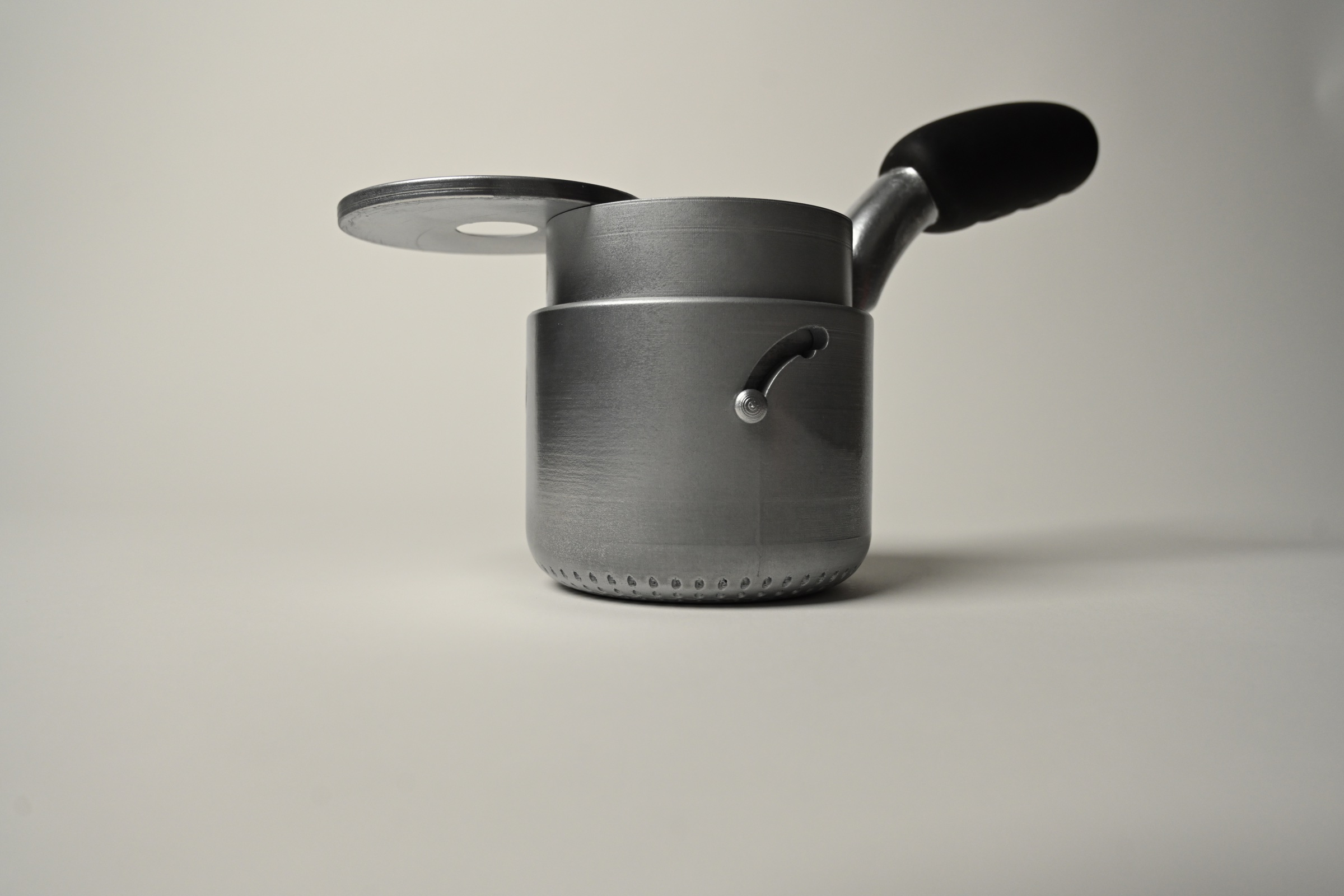
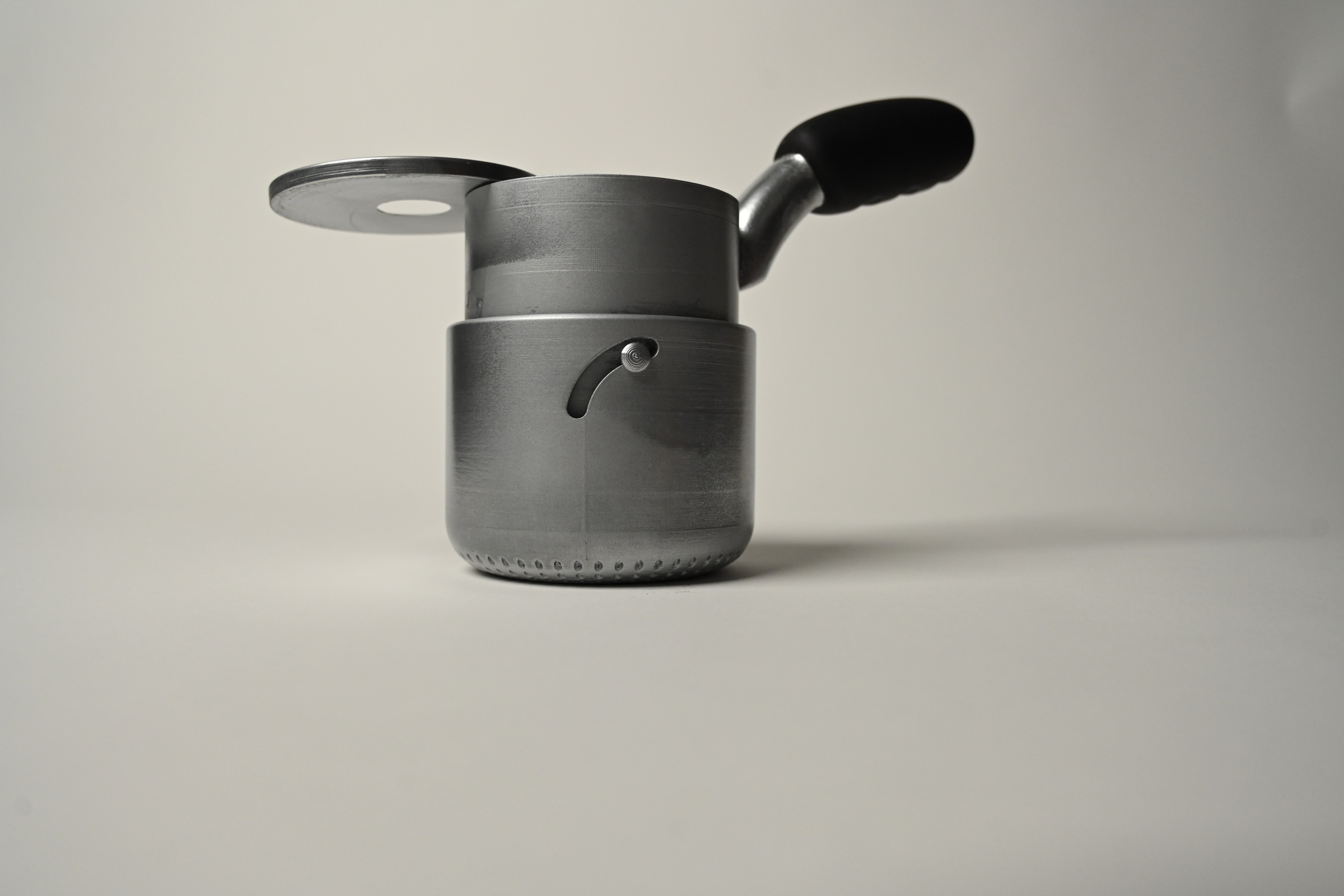
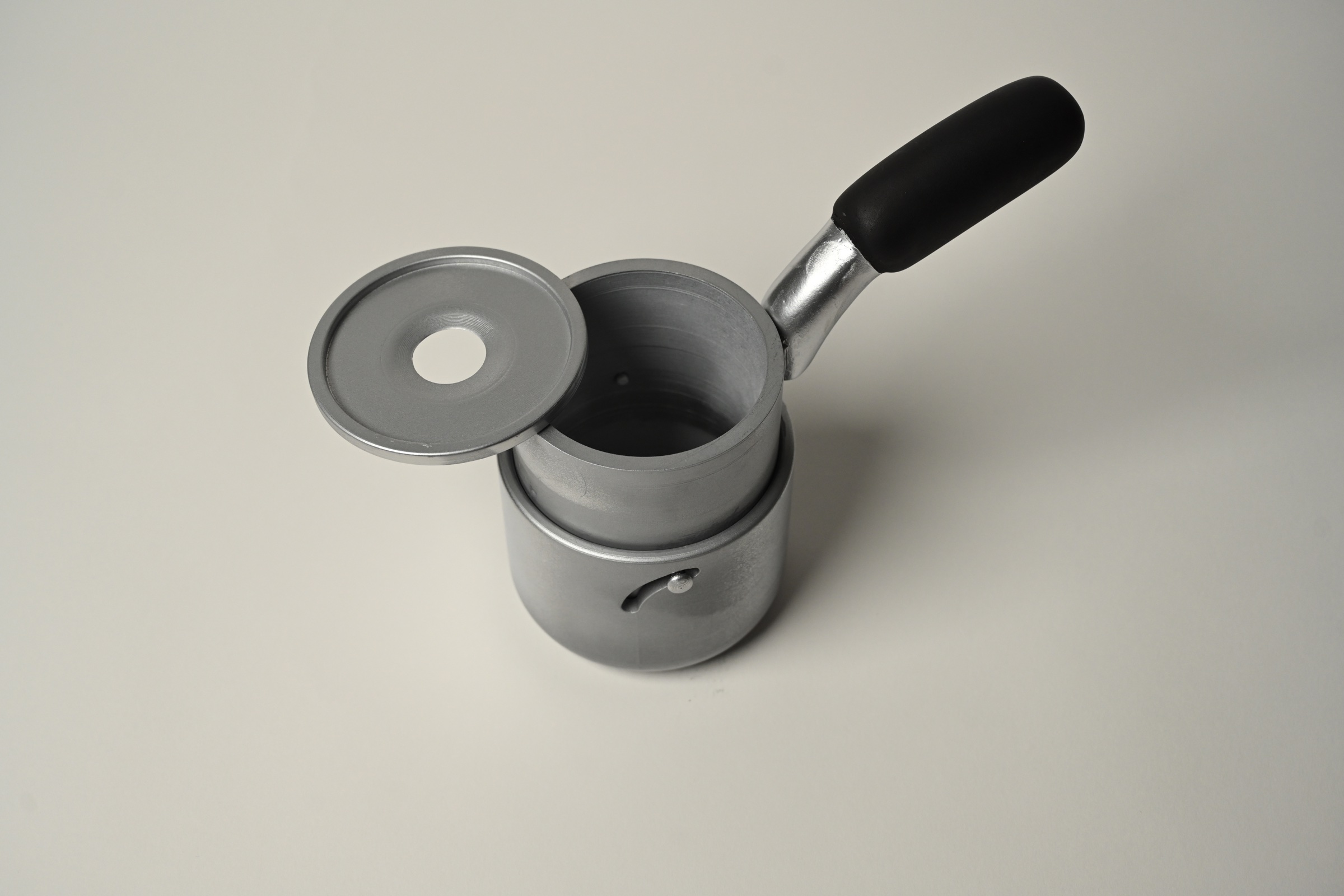
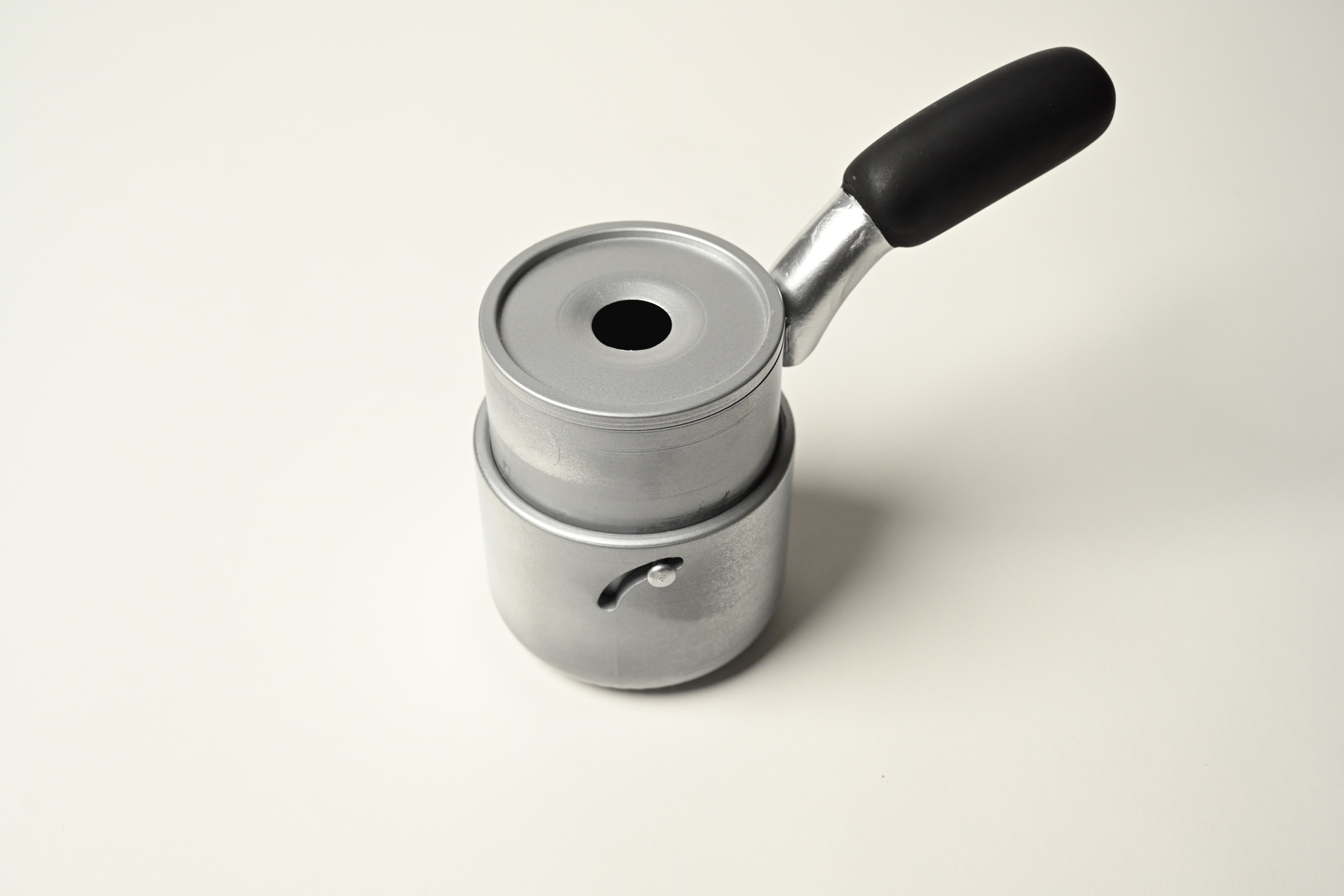
This compact, all-in-one pasta pot is designed to make cooking spaghetti quick and hassle-free. It fits inside a larger pot of boiling water and features a built-in hole that measures a perfect single serving, so there’s no need for measuring cups. Watch project film

Focus
Accessible kitchen tools
Methods
Research, CAD, prototyping
Year
2026
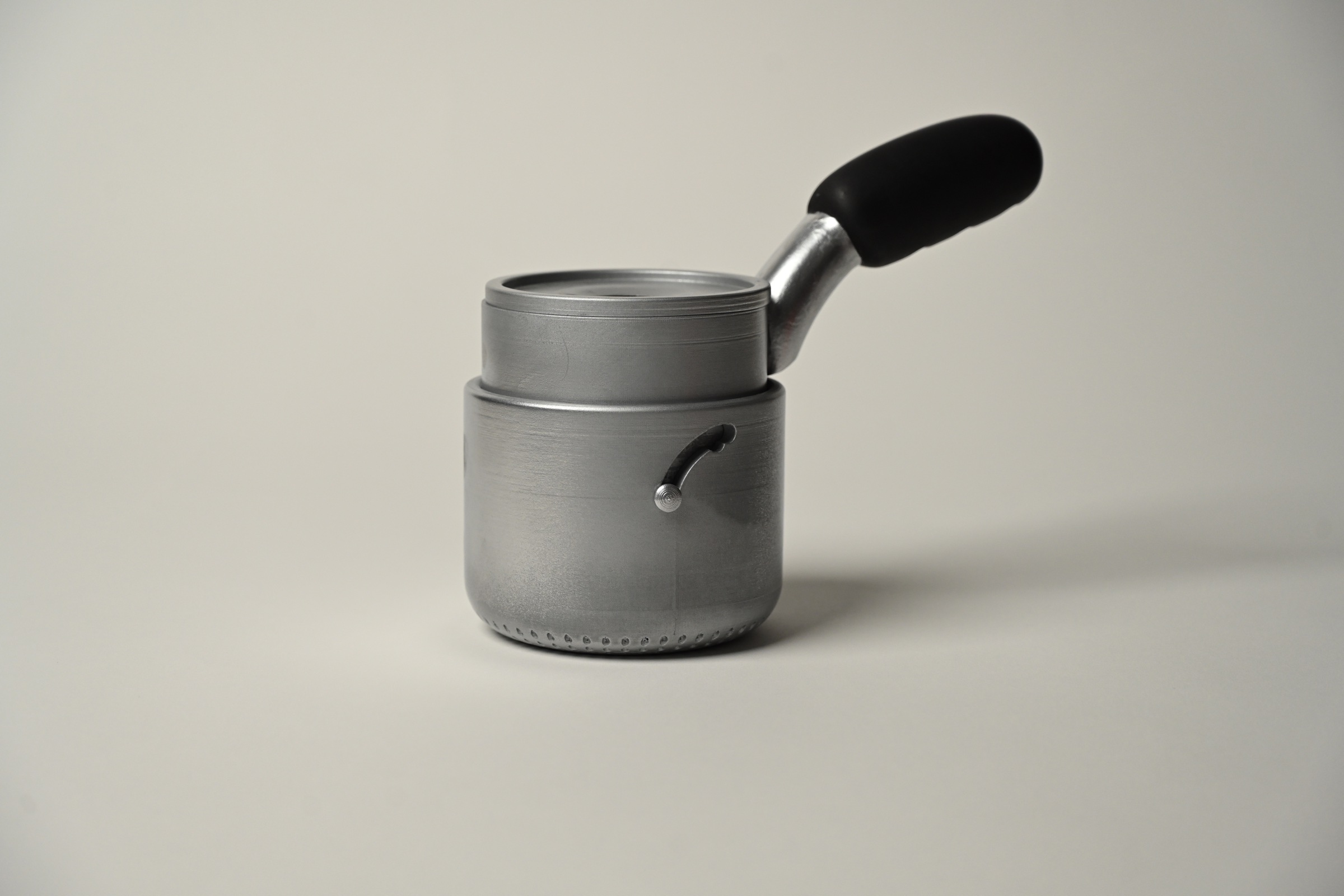
EasePot prototype extended with its handle attached, photographed against a neutral studio background
Final appearance model Extended configuration
01 Context

Low vision / blurred vision

Cooking should not depend on perfect vision.

Blurred vision can make labels, timers, water levels, and small controls difficult to read. In a shared kitchen, that uncertainty can turn a familiar task into a sequence of risky, tiring decisions.

The project asks how a compact cooking tool can reduce steps and visual demands while supporting a safer, more repeatable pasta routine.

≈75%

Teen girls who play video games

≈1–2%

Estimated noticeable vision difficulty among 18-year-old women

≈71%

Reported digital eye-strain prevalence among women

The task

Prepare spaghetti and sauce safely in a shared kitchen.

Success looks like

  • Read labels and timers with less strain
  • Avoid burns, spills, and awkward transfers
  • Finish consistently within 25–35 minutes
  • Stay usable when the user’s eyes are tired

Pain points

  • Measuring a single portion
  • Managing multiple pots and utensils
  • Draining near hot water and steam
  • Tracking small controls and changing states

Directional figures from project research, used to frame the user context.
01 Research

Reduce the visual load.

Early research focused on the moments that demand the most attention: portioning dry pasta, reading cooking information, lifting food from boiling water, and transferring it to a plate.

The opportunity was not to add more controls. It was to combine the essential actions into a compact tool with obvious states and fewer loose parts.

02 Sketch

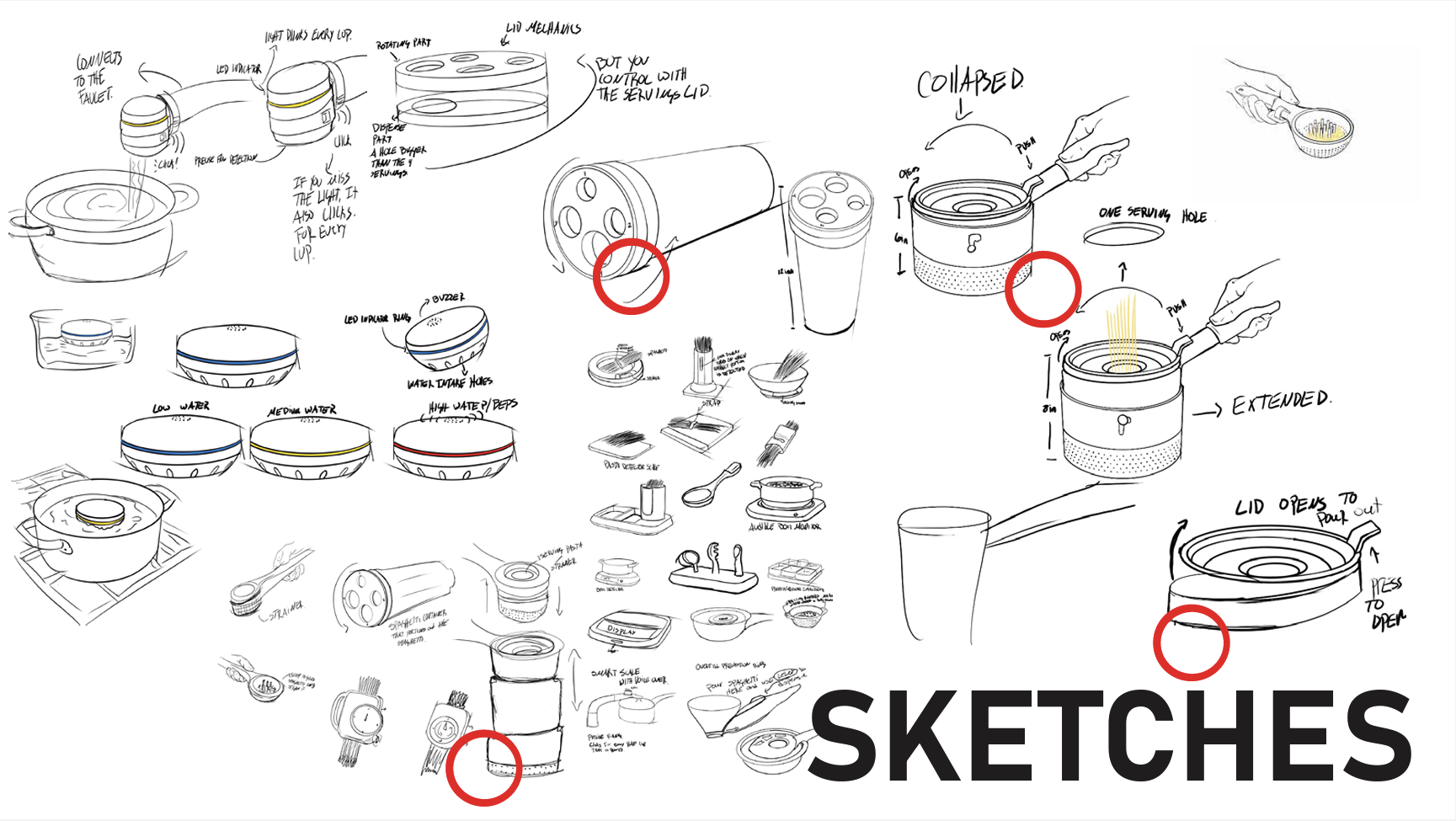
Explore before deciding.

Here I explored different design directions while maintaining the same overall goal: making the cooking process easier and more accessible for the user.

03 Iterate

Make the lid do more.

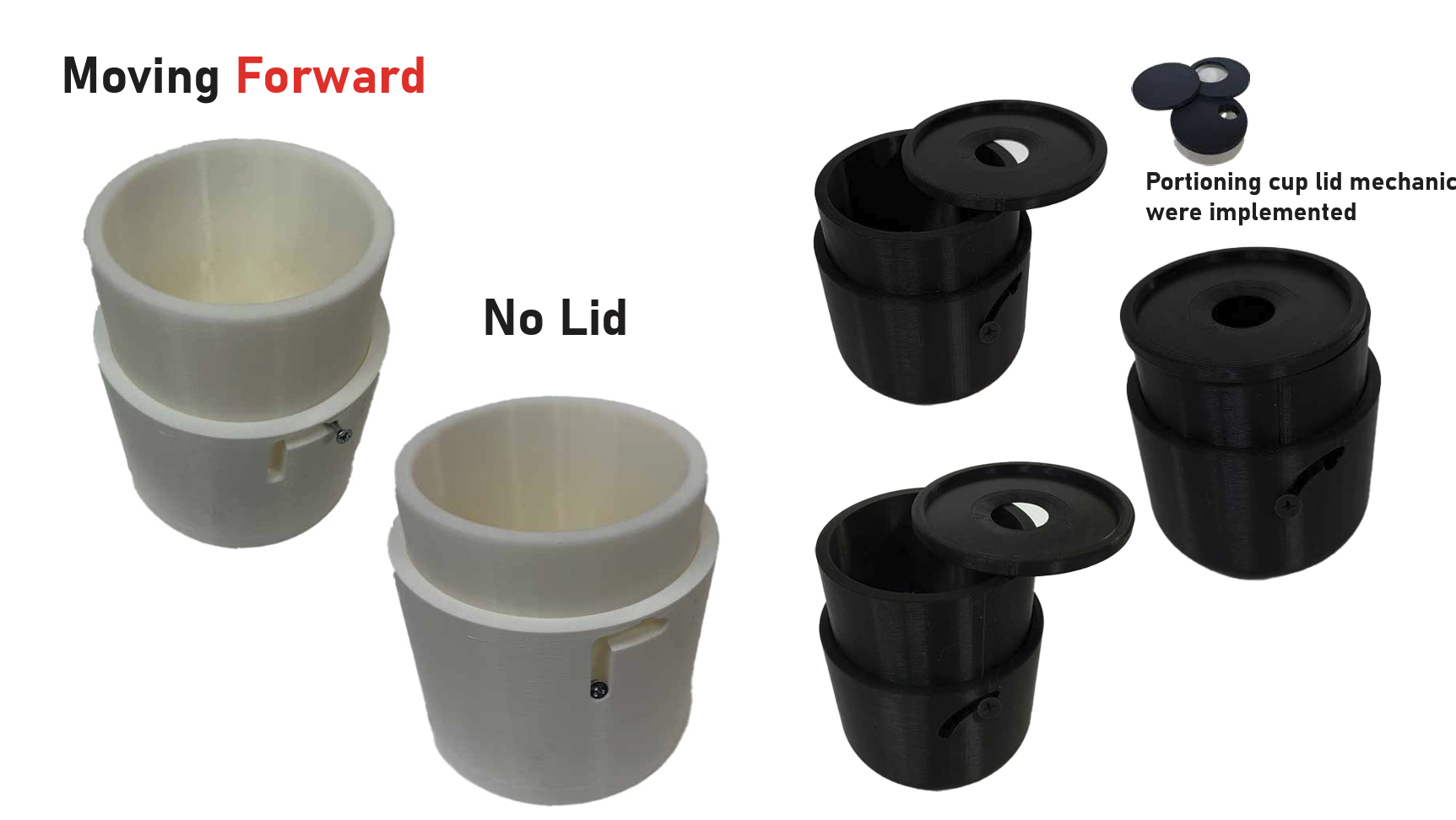
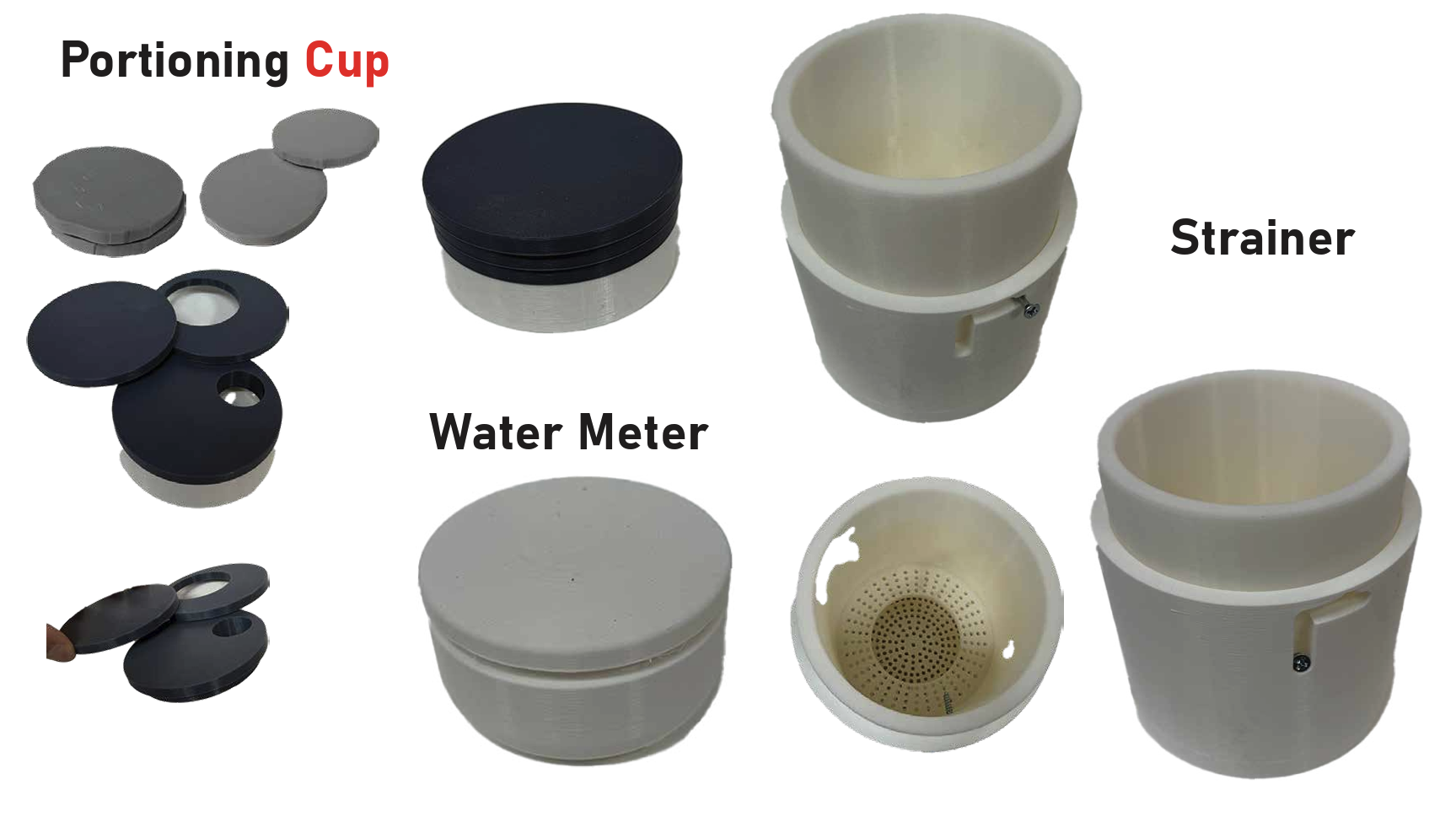
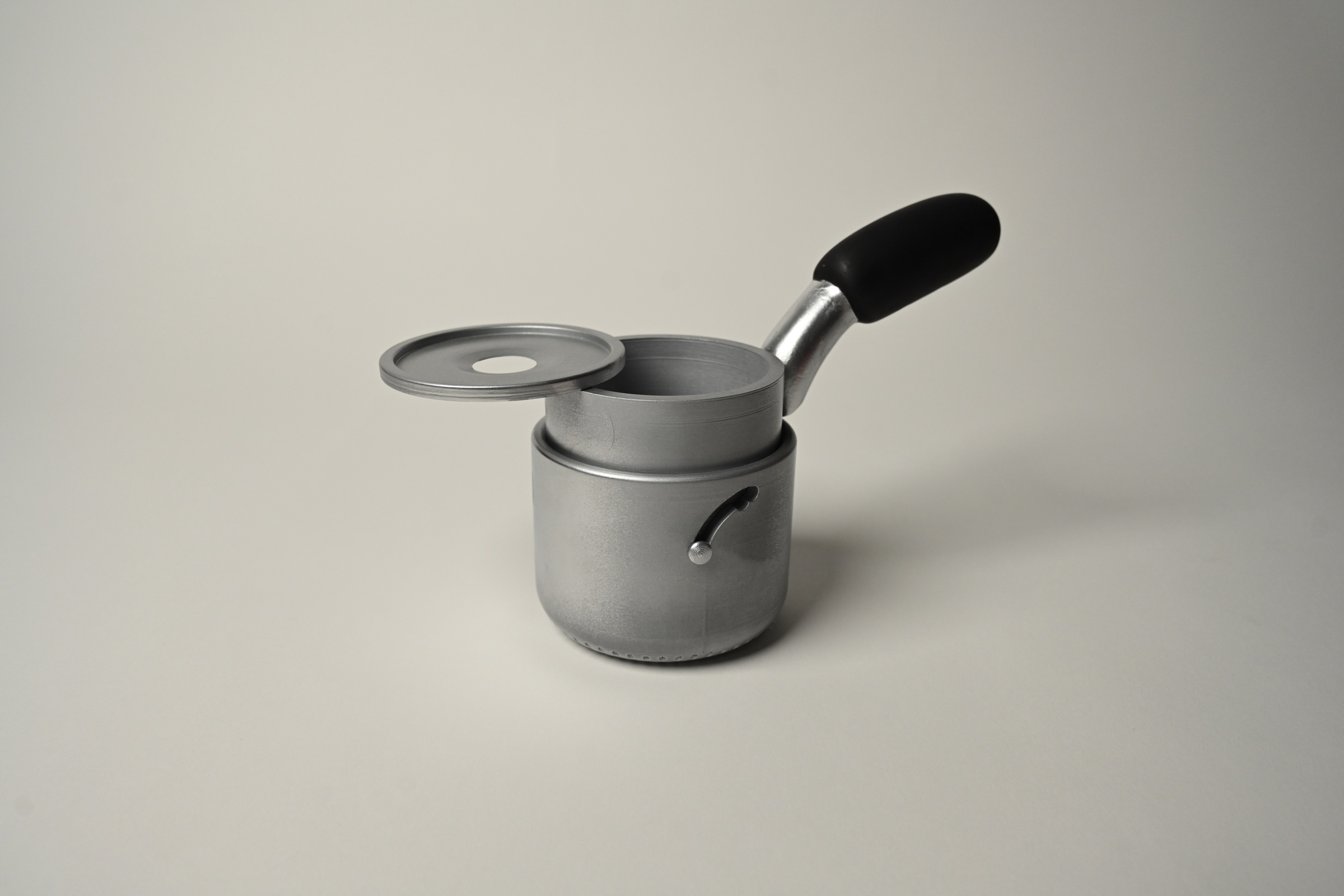
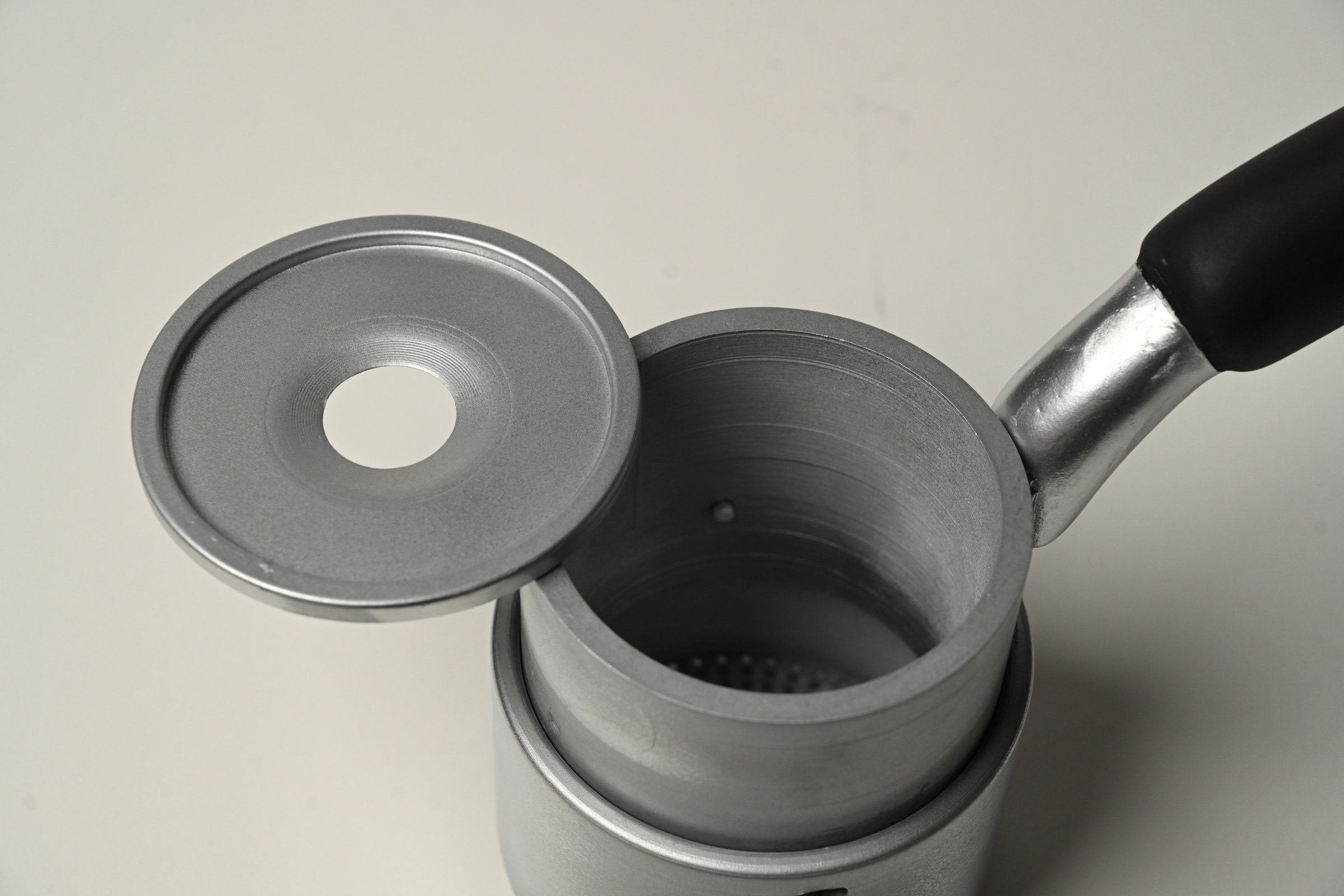
The lid mechanism became the key interaction. Rotating it reveals the portioning opening, then swings away so the user can access and serve the cooked pasta without handling a separate part.

04 Prototype

Resolve form and movement together.

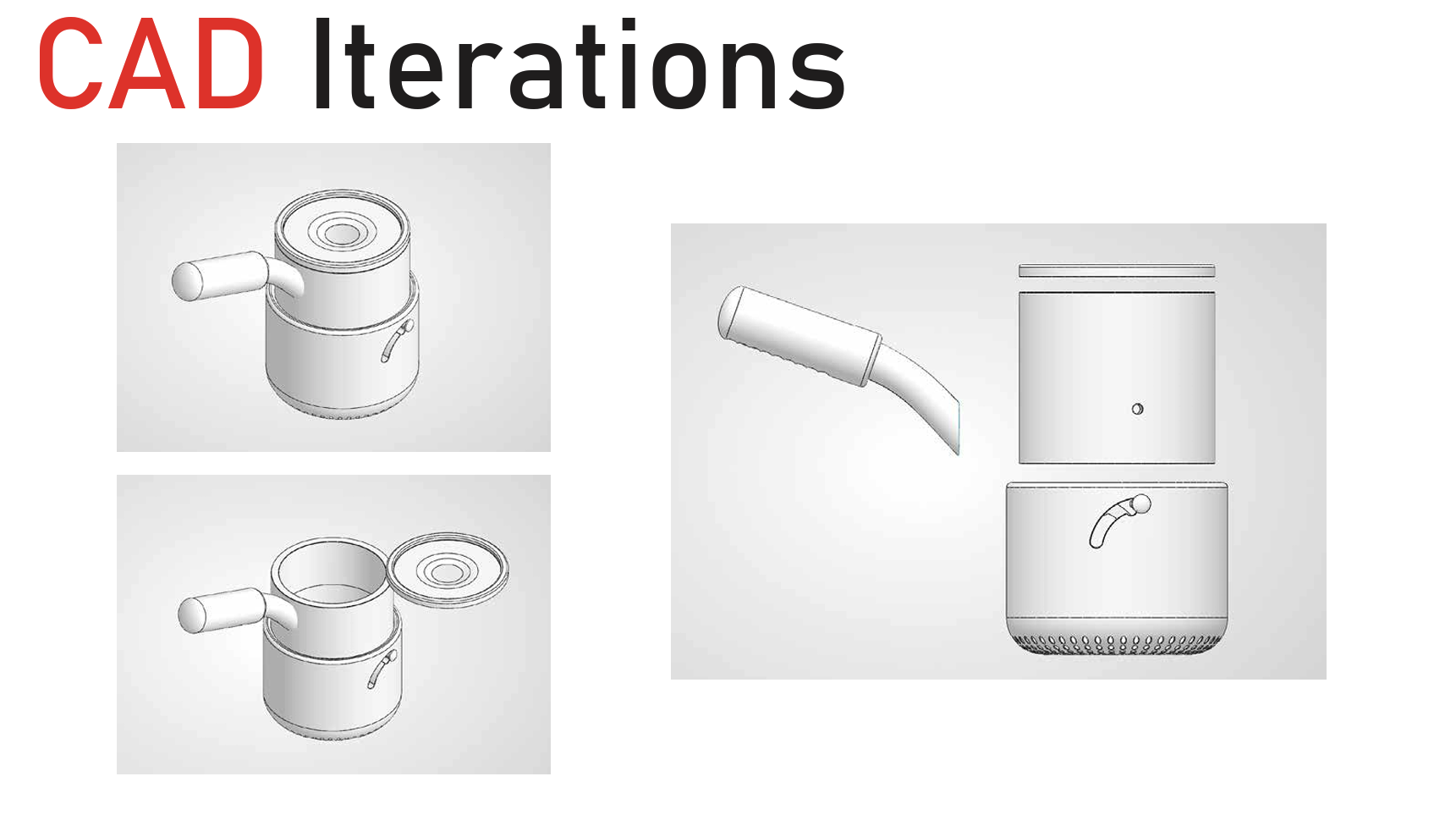
CAD development established the nested body, handle angle, straining base, and rotating lid mechanism. Physical prints were used to compare proportions and verify how the parts move as a system.

05 Test

Test the full routine.

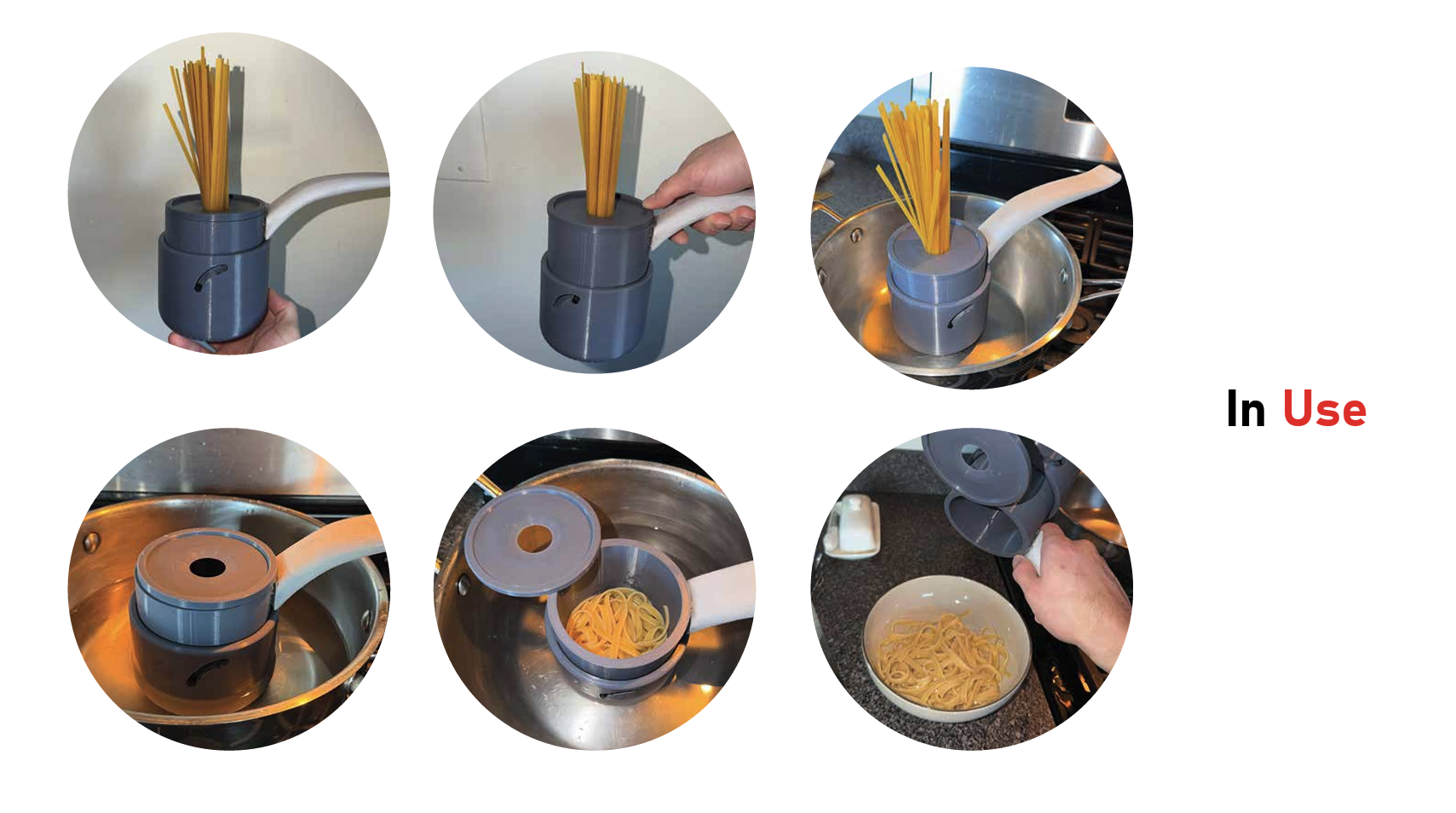
The prototype was tested in a real kitchen—from loading a single portion through cooking, lifting, opening, and serving. This exposed how the product behaves around a larger pot, hot water, and a plate.

03 Outcome

One tool. Fewer decisions.

EasePot combines portioning, cooking, draining, and serving in one compact object. The measured lid opening removes a separate measuring step, while the nested strainer and handle let the user lift pasta away from the hot water and serve it directly.

The final model makes each state legible through simple movement: collapsed for storage, extended for cooking, and open for serving.

Cook. Lift. Serve.

Prototype detail

03 Why it mattered

Why it mattered

EasePot began with a practical accessibility question: how can someone portion, cook, drain, and serve pasta with fewer visually demanding steps? The project brought that question into the kitchen, where small design decisions affect how people handle hot water and use familiar tools.

Project film

From prototype to kitchen test

A film assembled from the original EasePot process images. Prototype profile, CAD and mechanism development, lid iterations, kitchen testing sequence, and final model.