Adriel Velez
← Selected work

Project 02 / Open-ended puzzle play

PiecePals

PiecePals is an abstract puzzle designed for both 2D and 3D play. Its pieces form a complete flat composition or stand independently, combining problem-solving with open-ended creativity. Watch project film

Focus
Play and problem-solving
Methods
Research, sketching, foam modeling
Year
2025
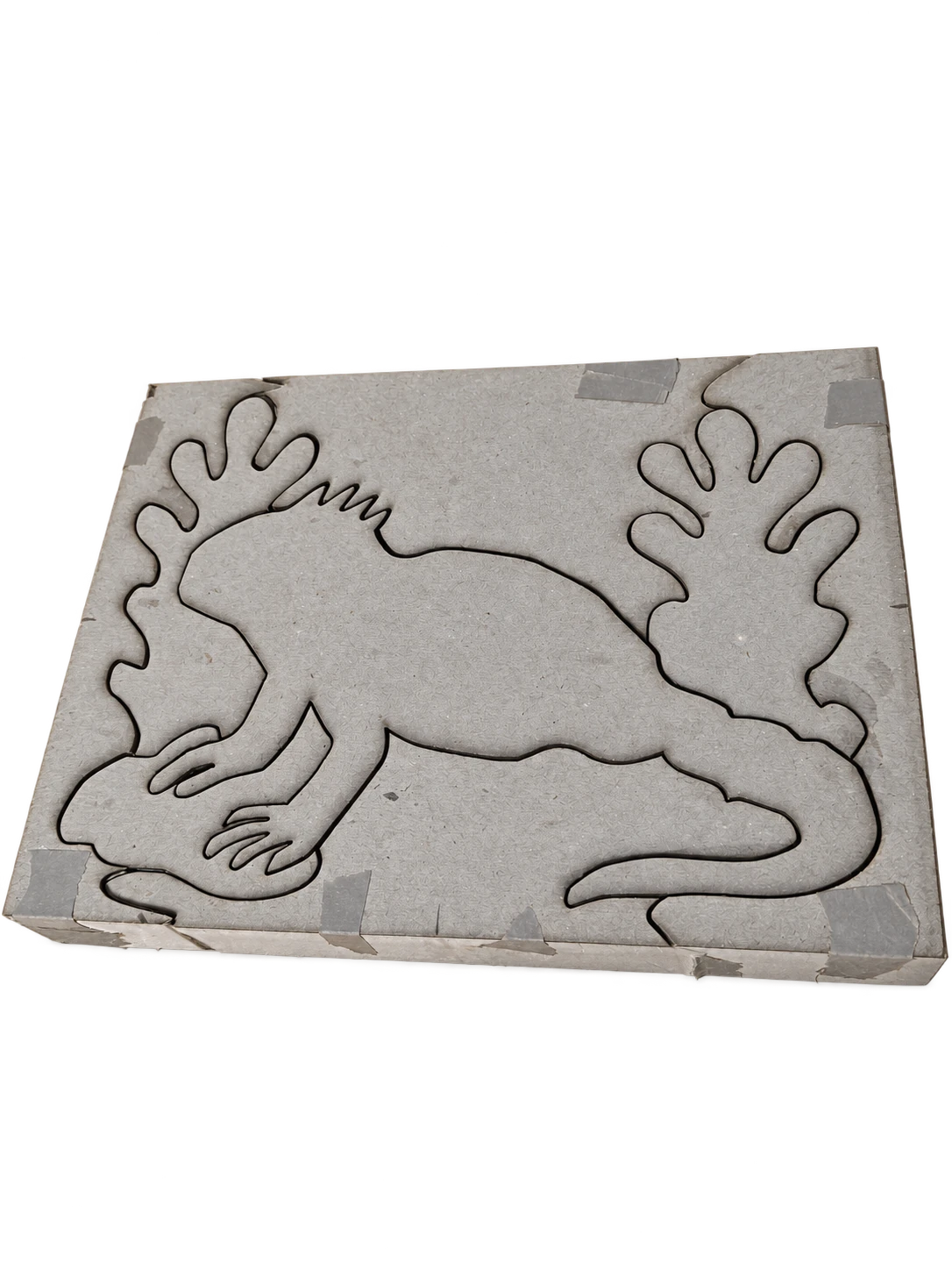
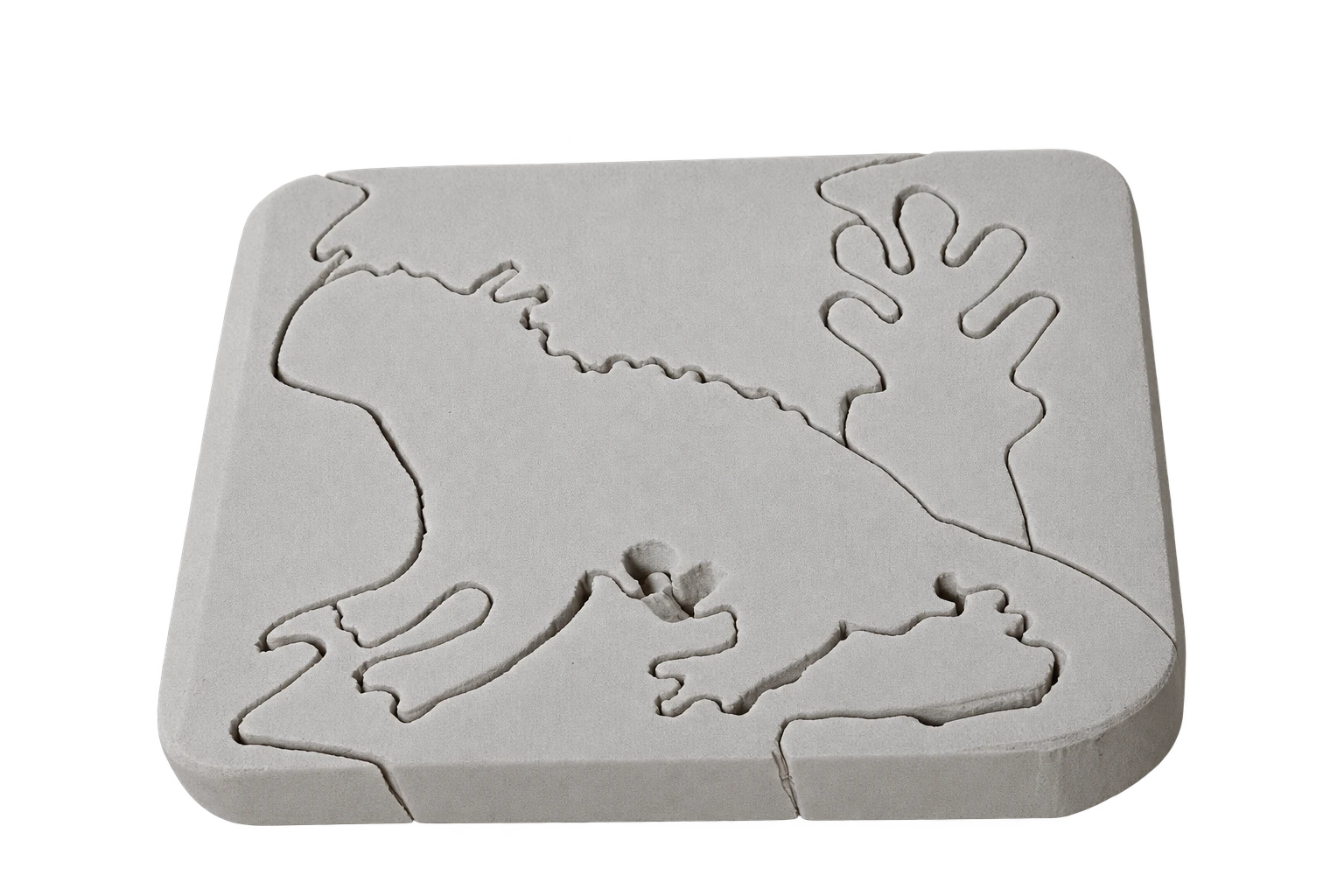
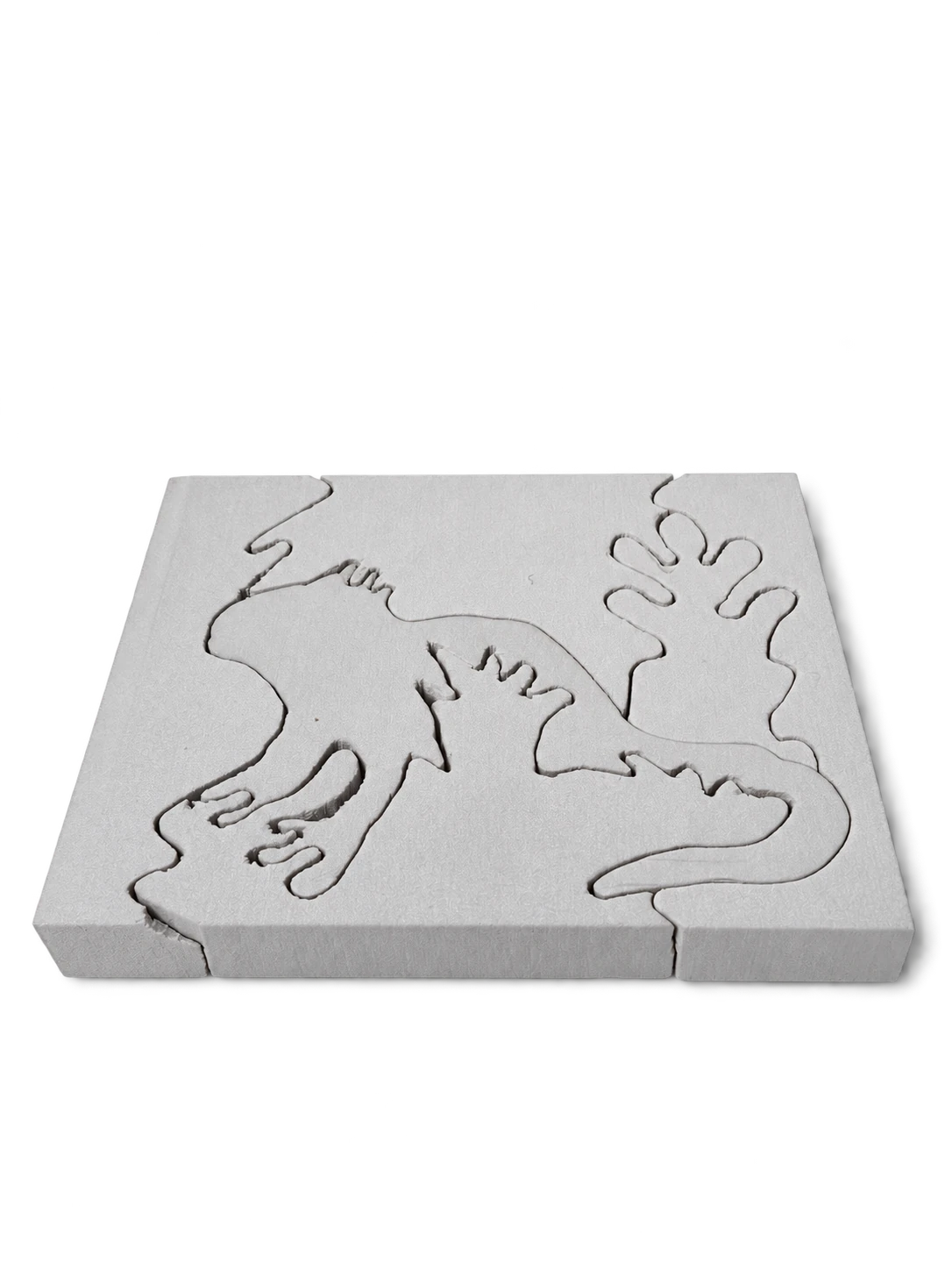
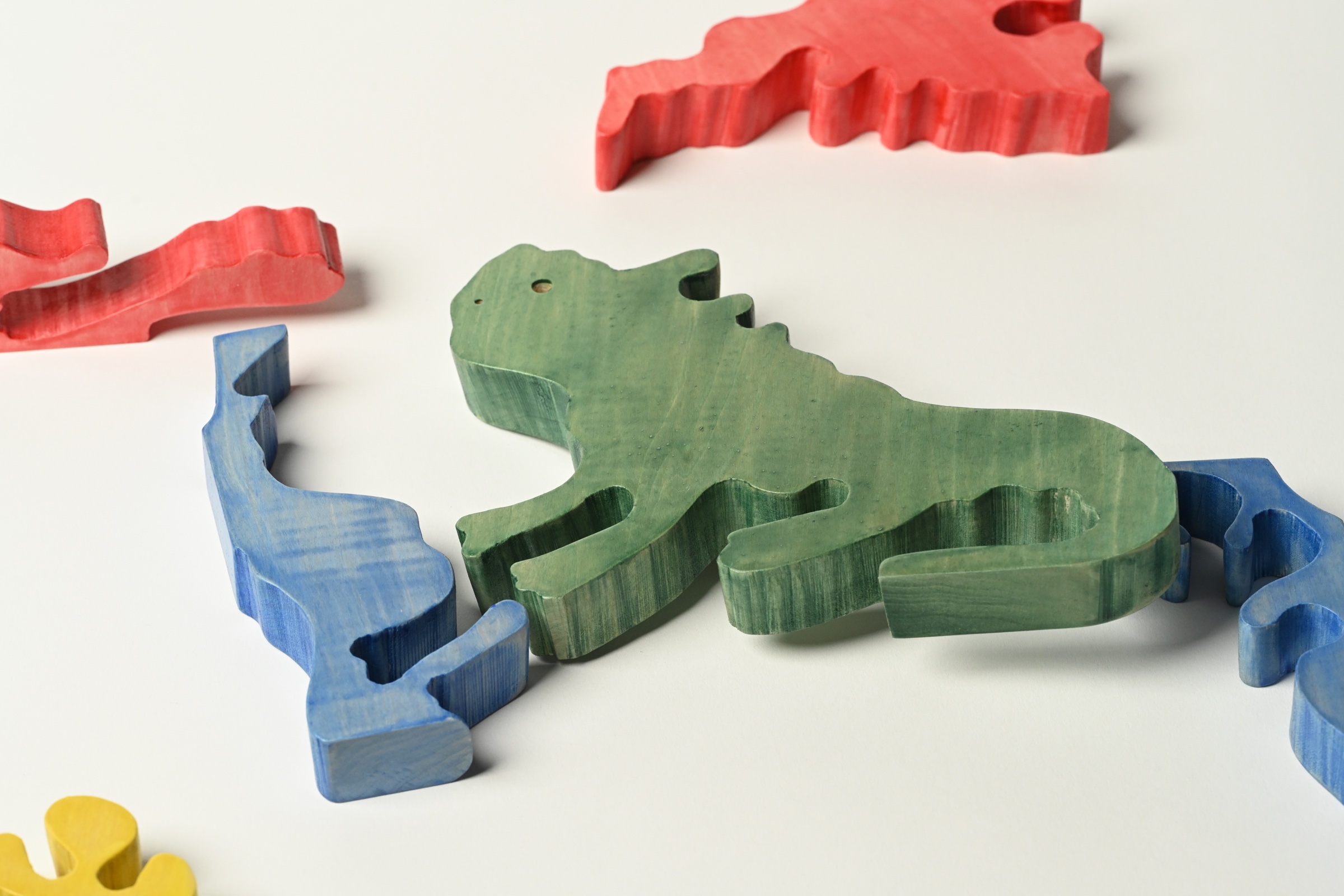
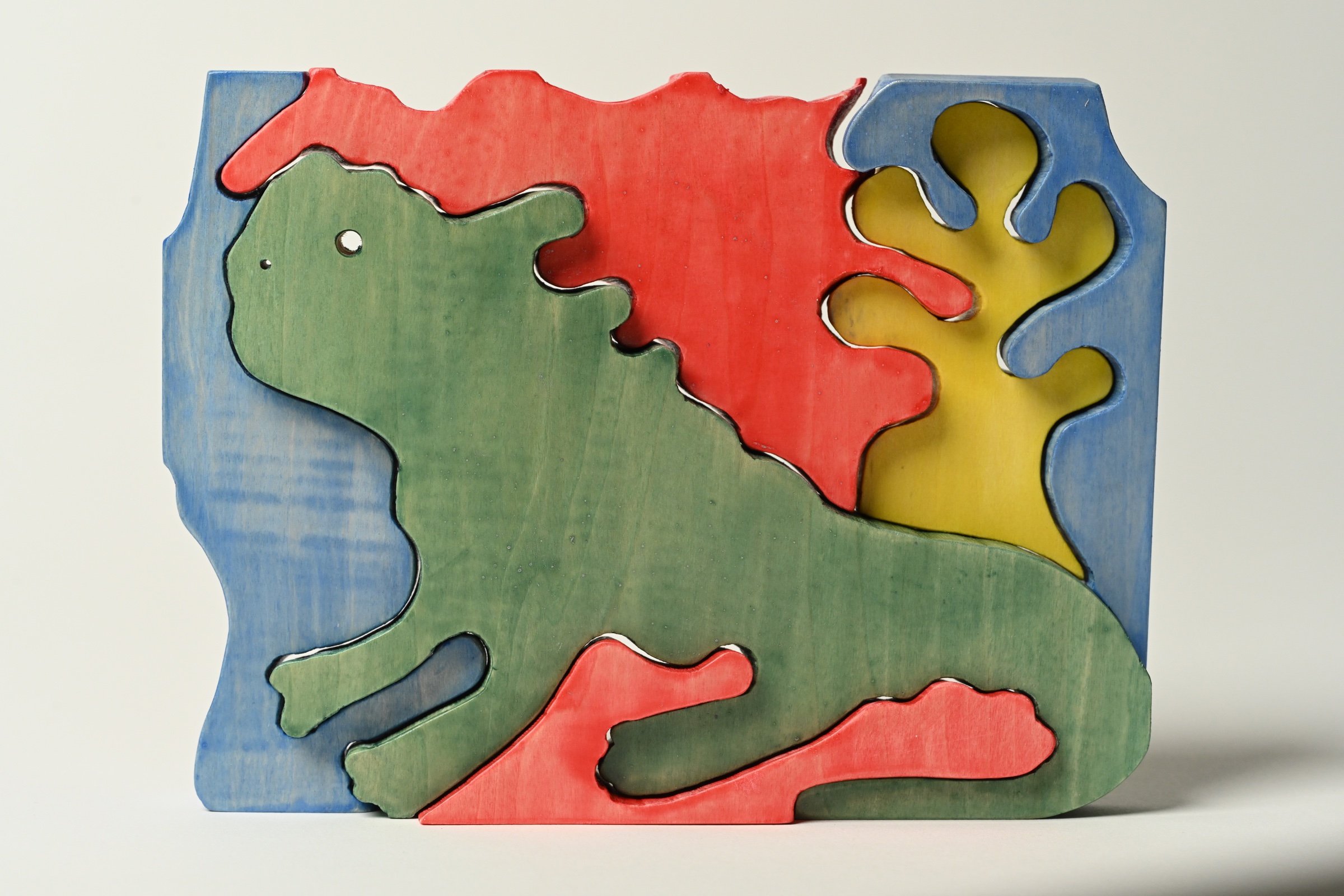
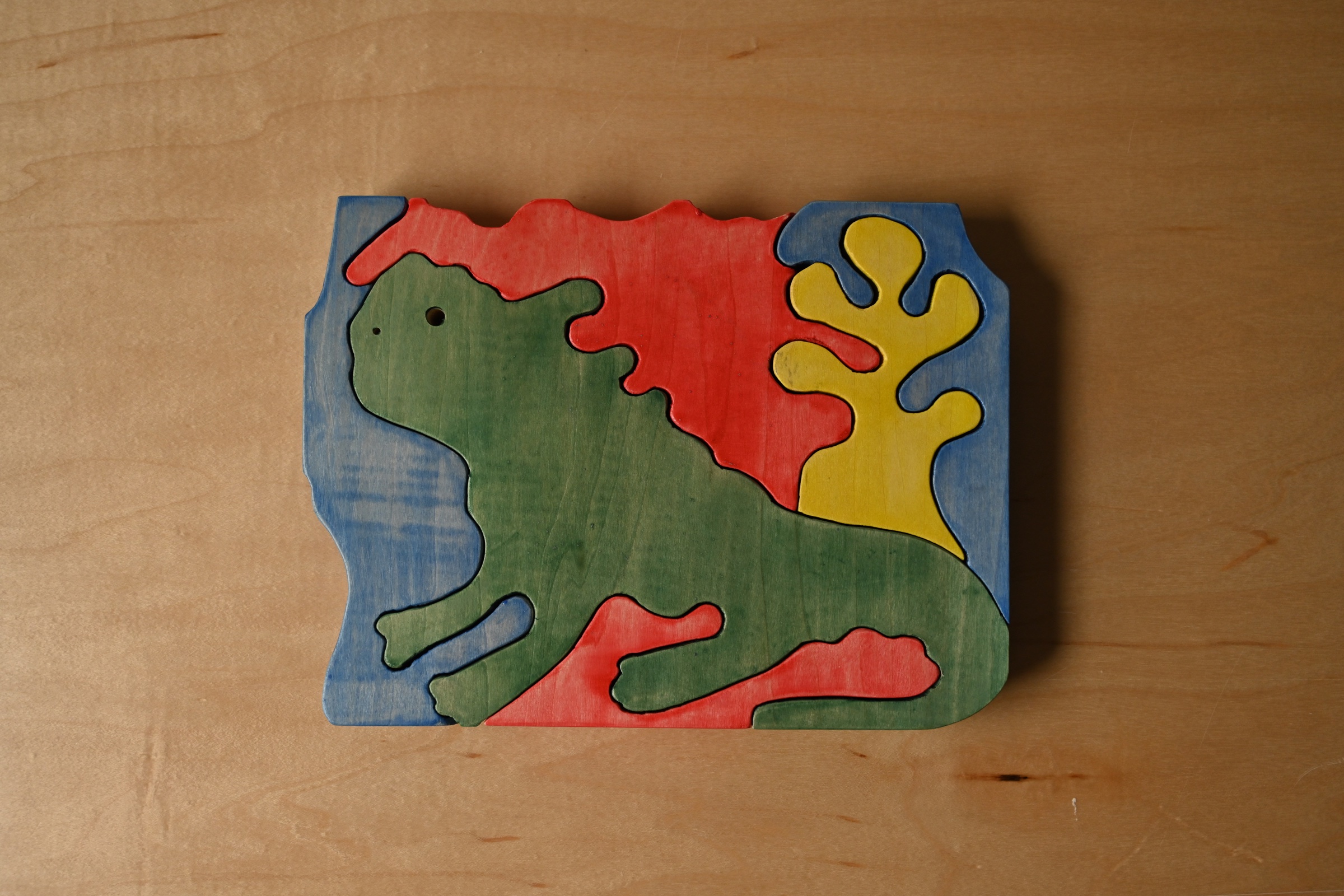
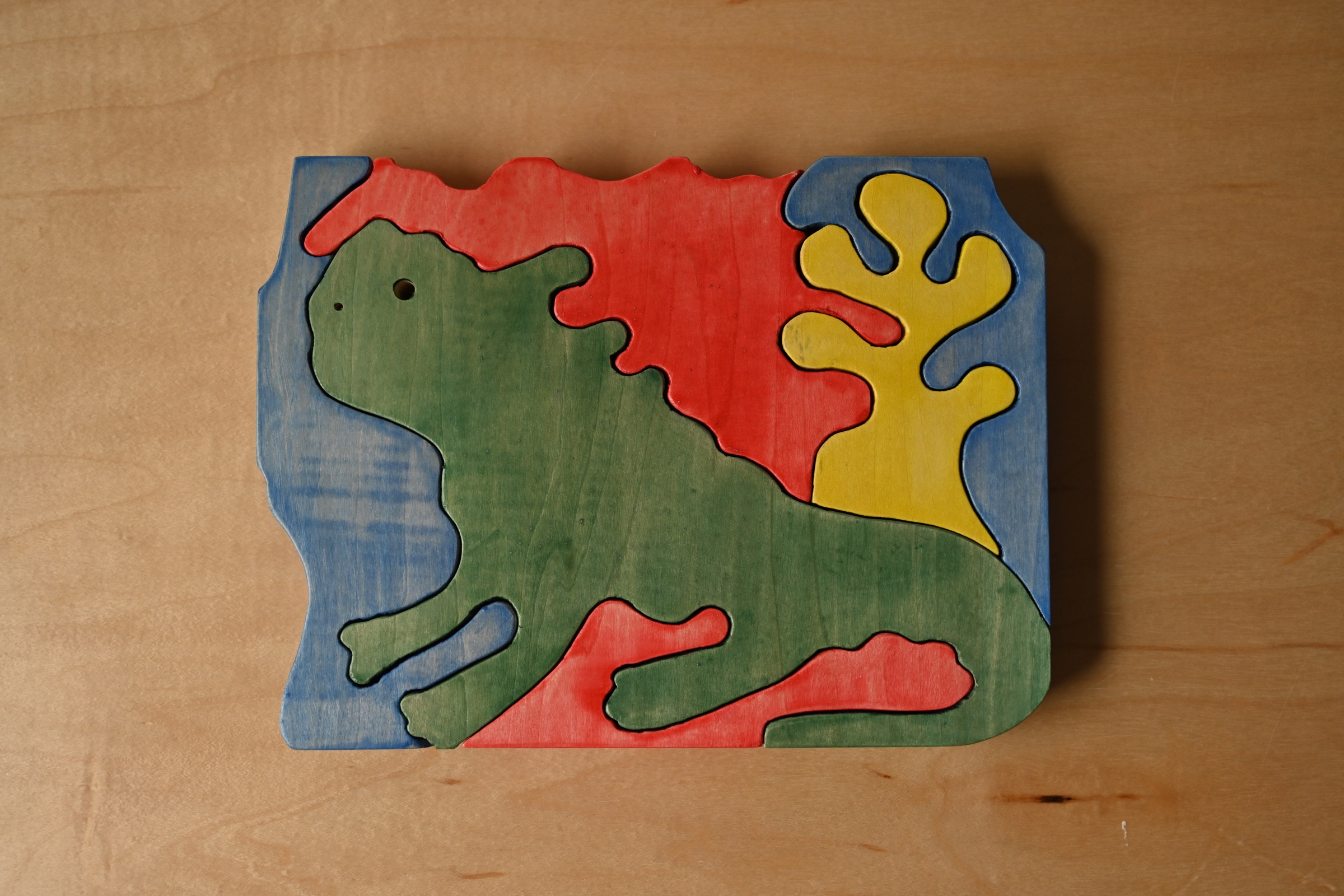
Completed wooden PiecePals iguana puzzle photographed from above
Final PiecePals puzzle Two-dimensional composition
01 Context

Puzzle / Interactive toy

A puzzle that keeps playing after it is solved.

The objective was to create an enjoyable puzzle that could transform beyond a traditional flat composition into an interactive toy.

By letting each piece stand and interact outside the frame, the design encourages both focused problem-solving and imaginative, open-ended play.

The opportunity

Turn a solved puzzle into the beginning of another activity.

Design goals

  • Read clearly as one flat composition
  • Give every piece an identity of its own
  • Support stable three-dimensional arrangements

Key constraints

  • Interlocking silhouettes
  • Durable interior details
  • Forms achievable in the chosen material
01 Discover

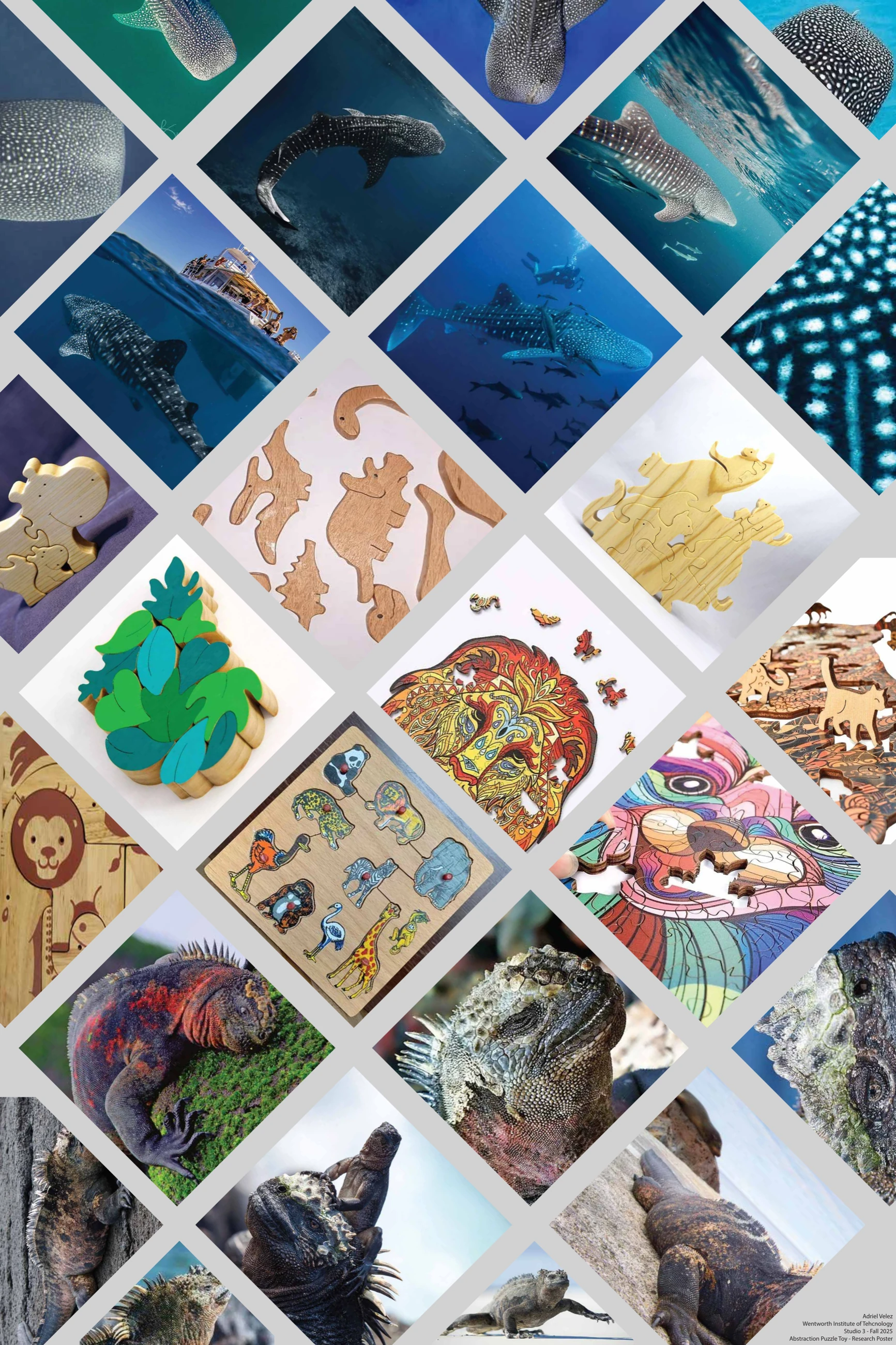
Study the animal before abstracting it.

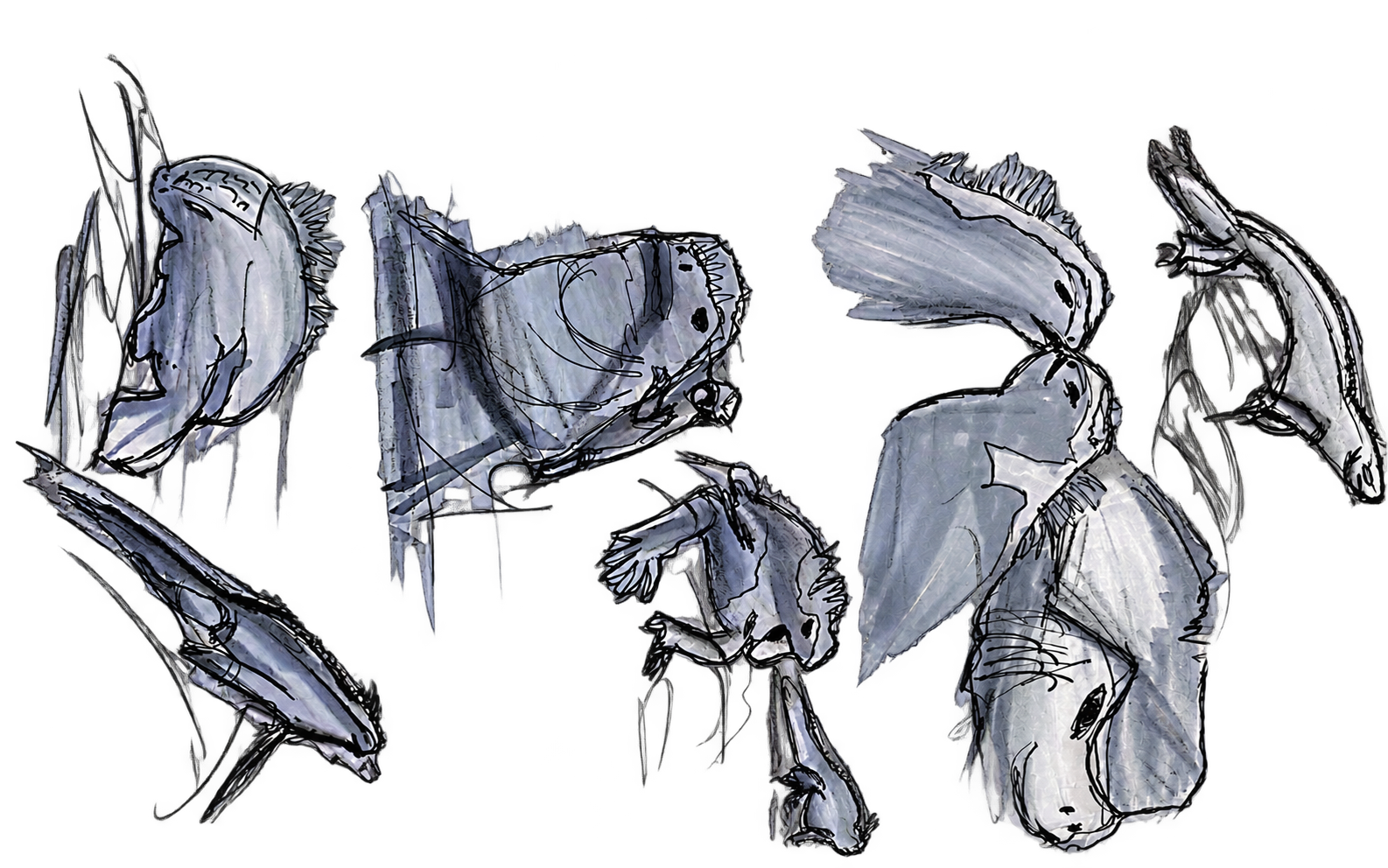
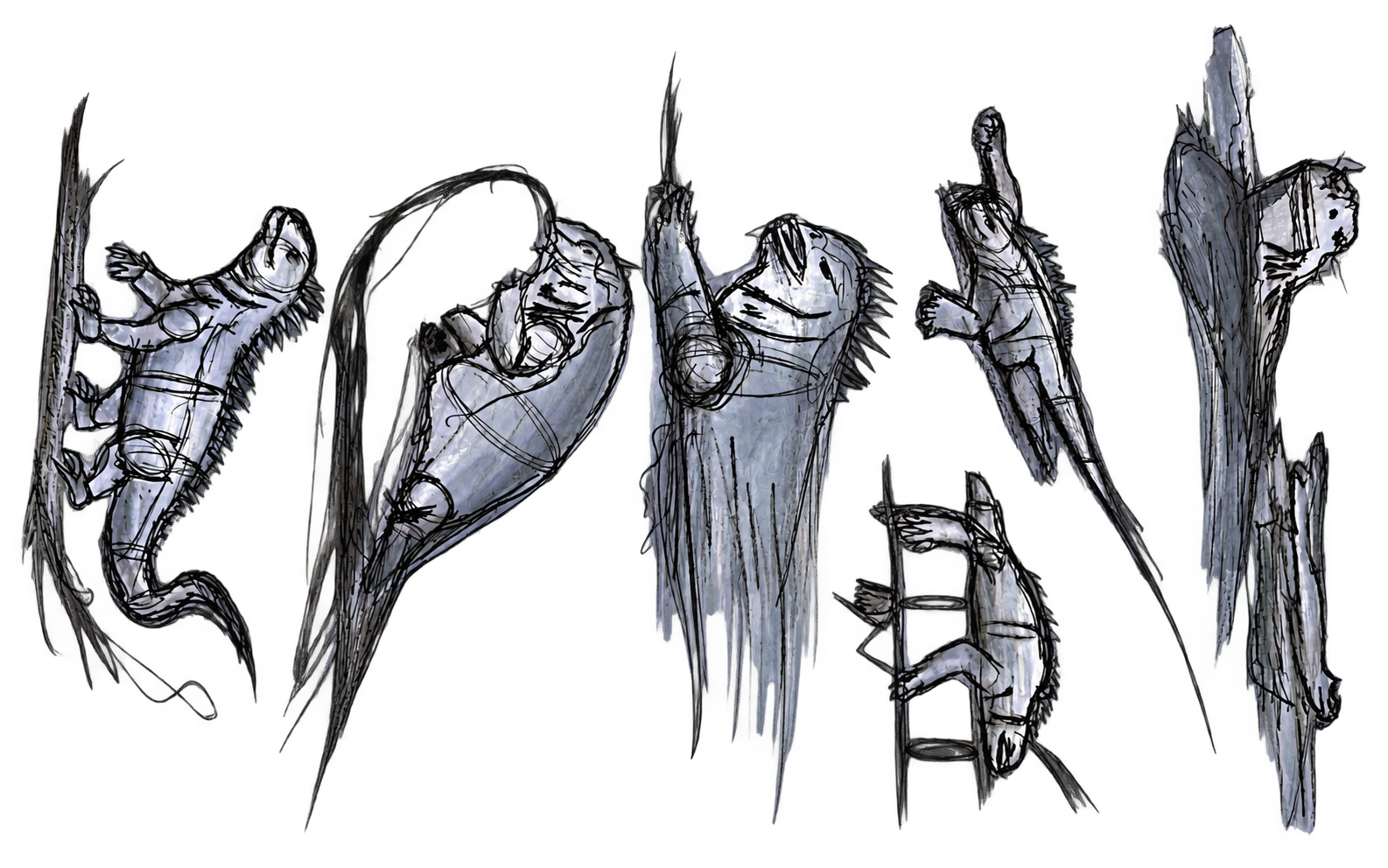
Research focused on animal behavior, movement, form, and existing interactive puzzles to find opportunities for a familiar puzzle to become more playful.

02 Explore

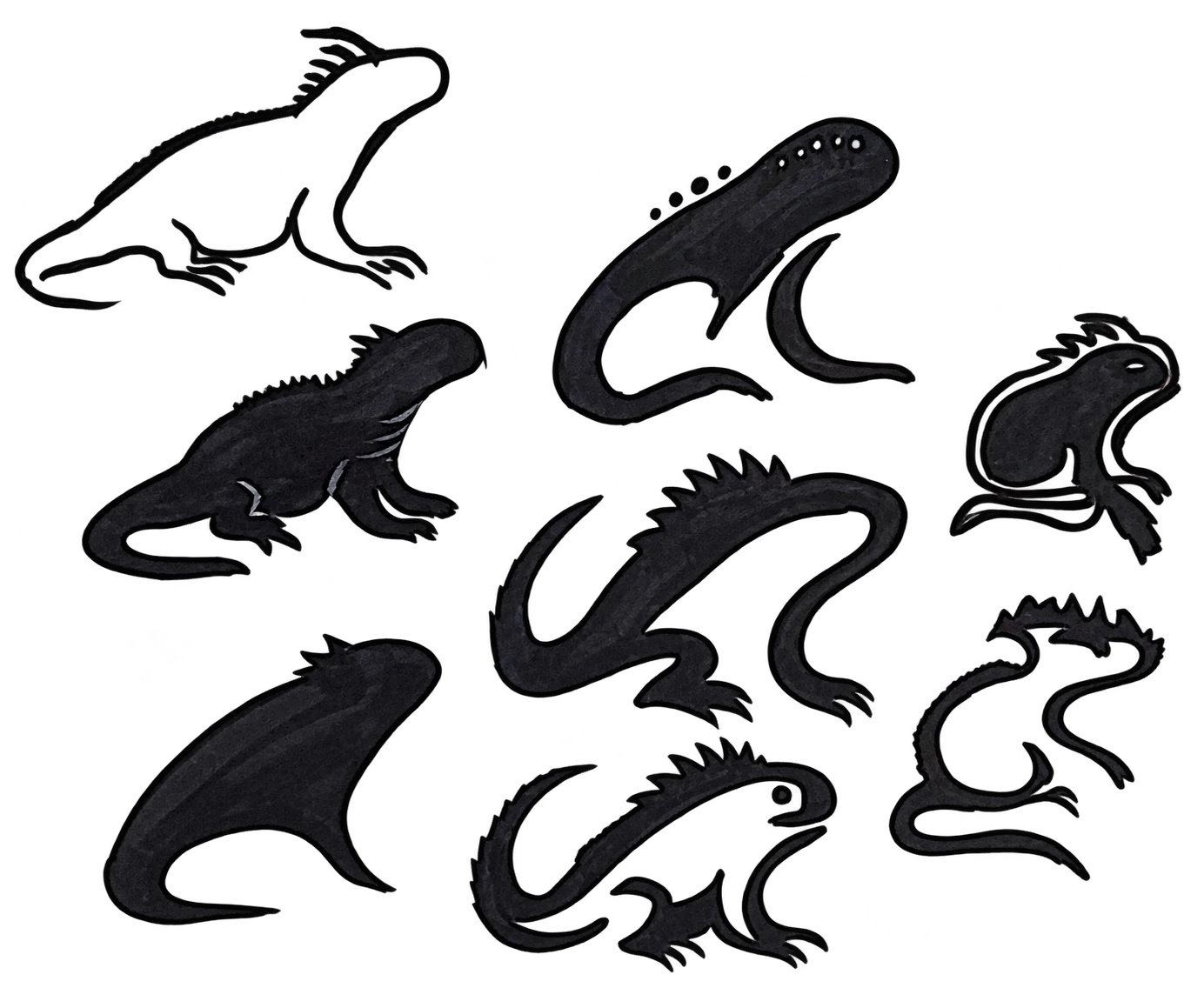
Find the character in the silhouette.

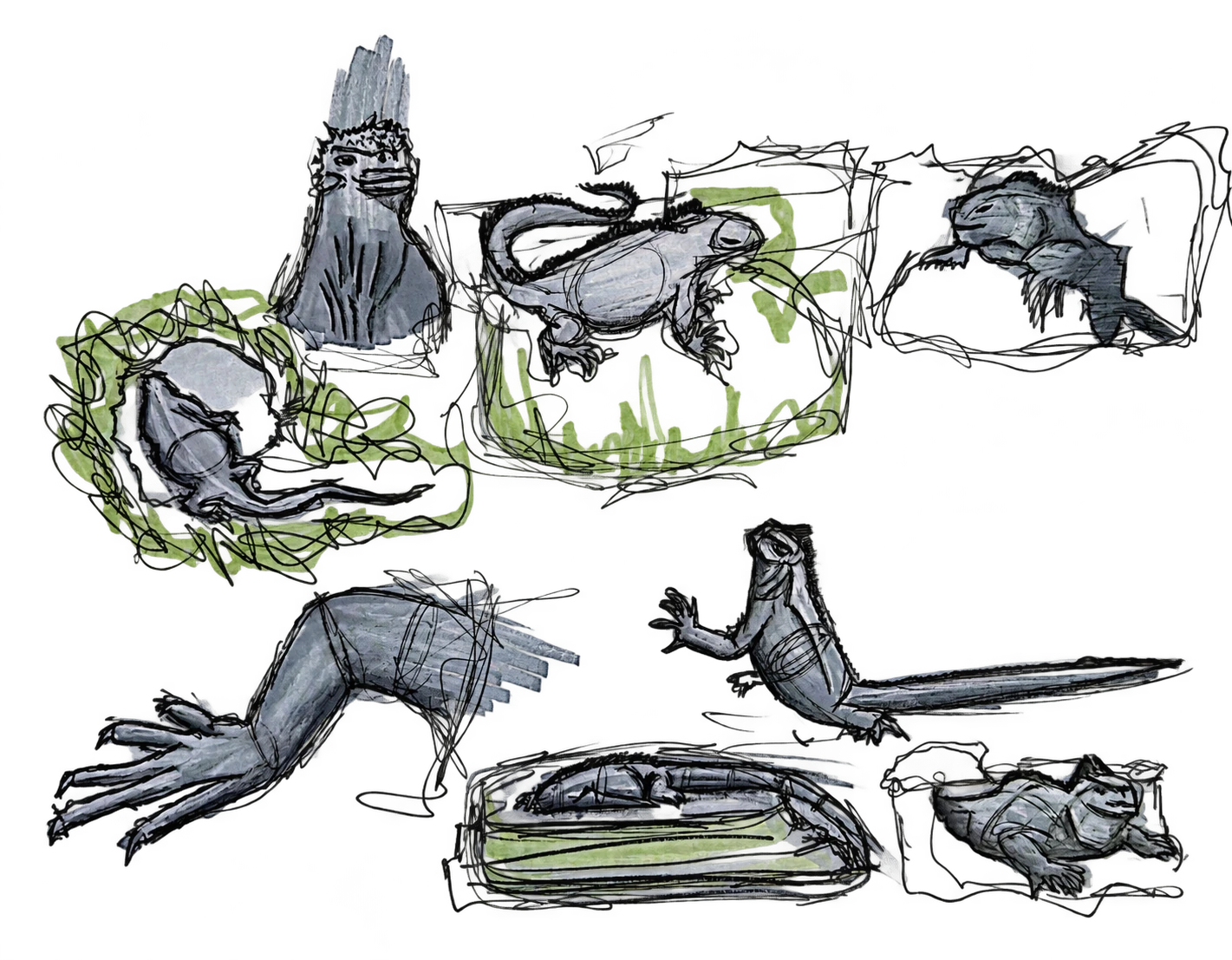
Sketching explored the animal’s behavior, movement, and environment while testing silhouettes, poses, compositions, and ways the forms could interact.

03 Develop

Move quickly from line to volume.

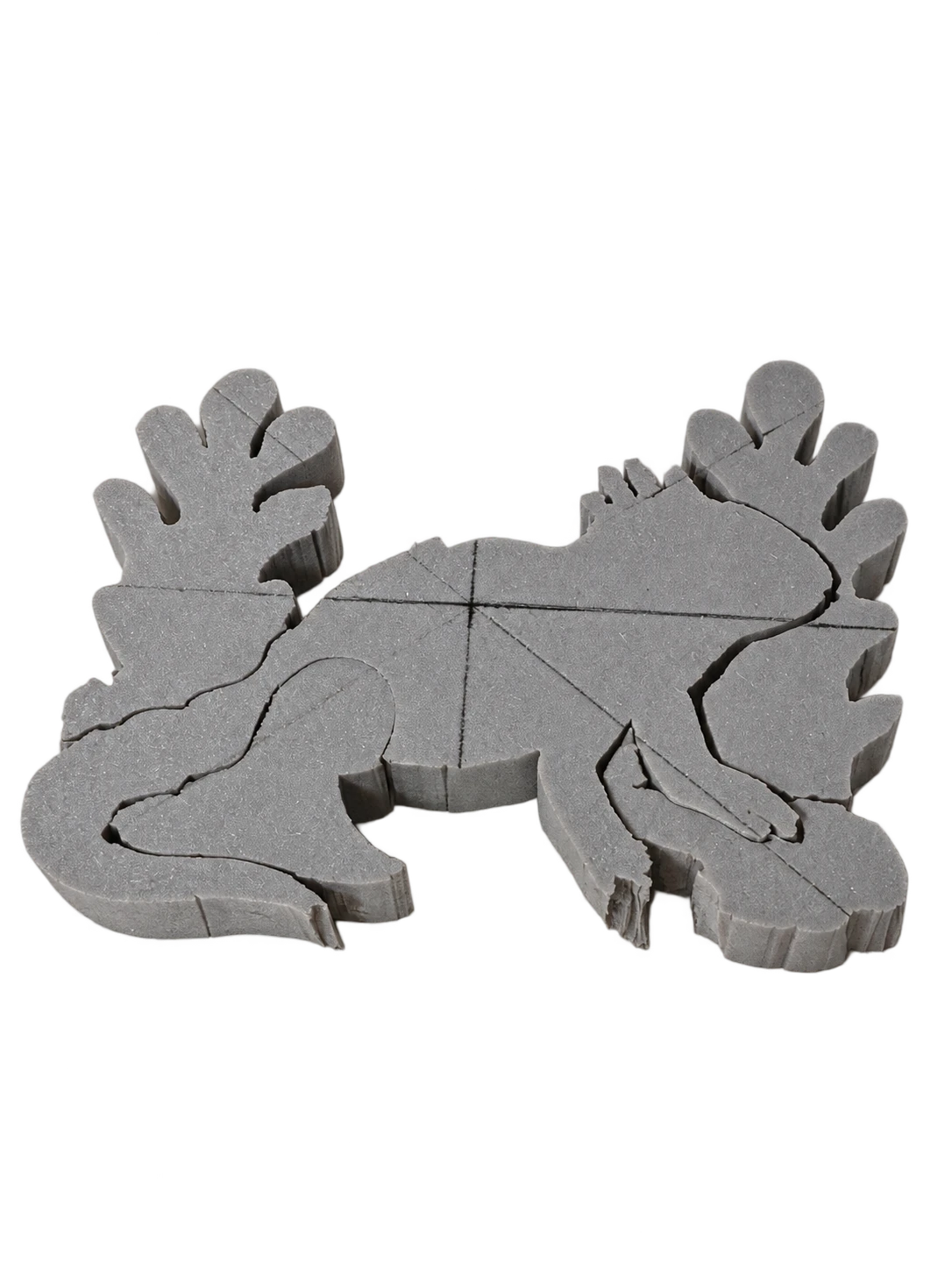
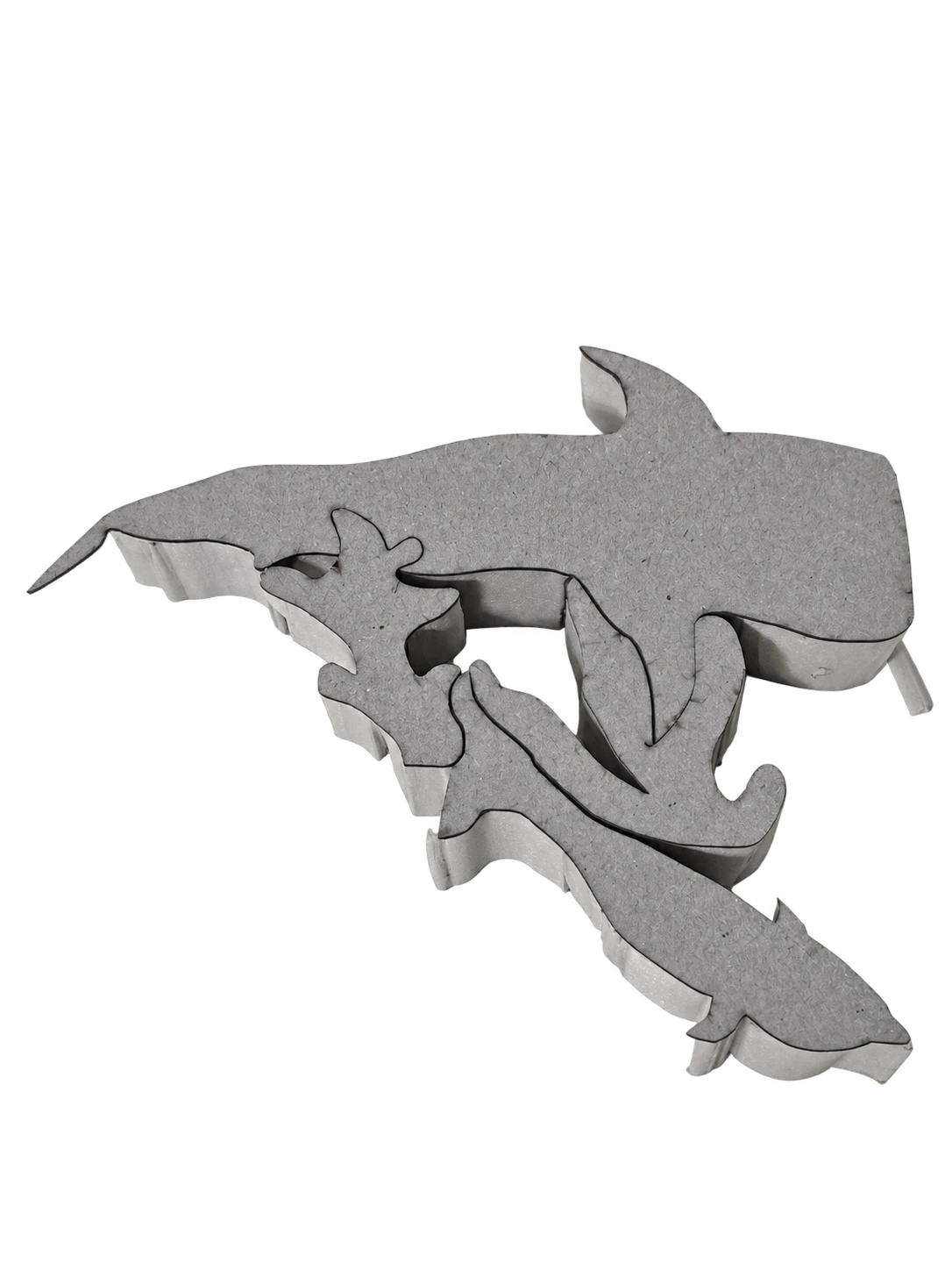
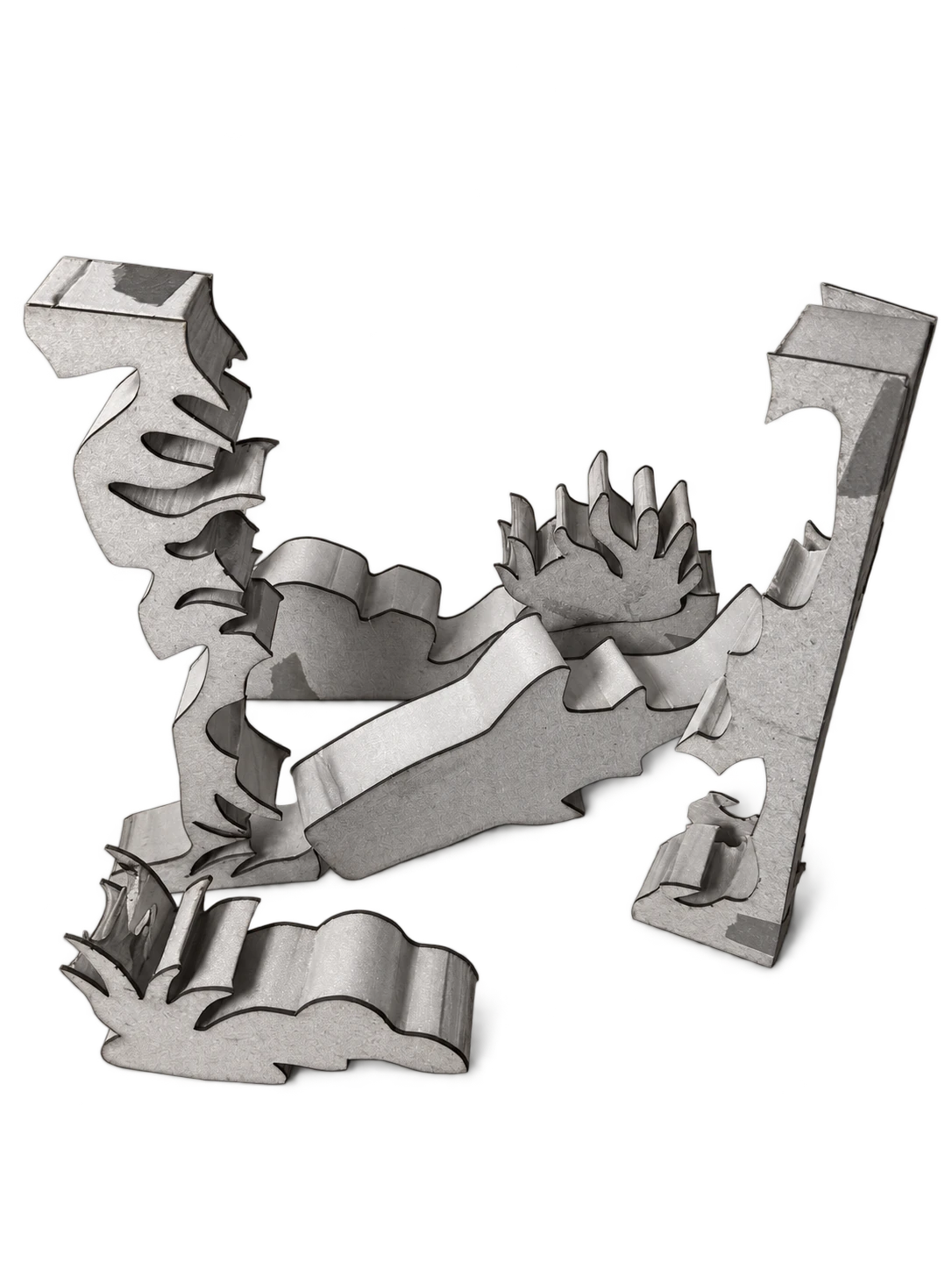
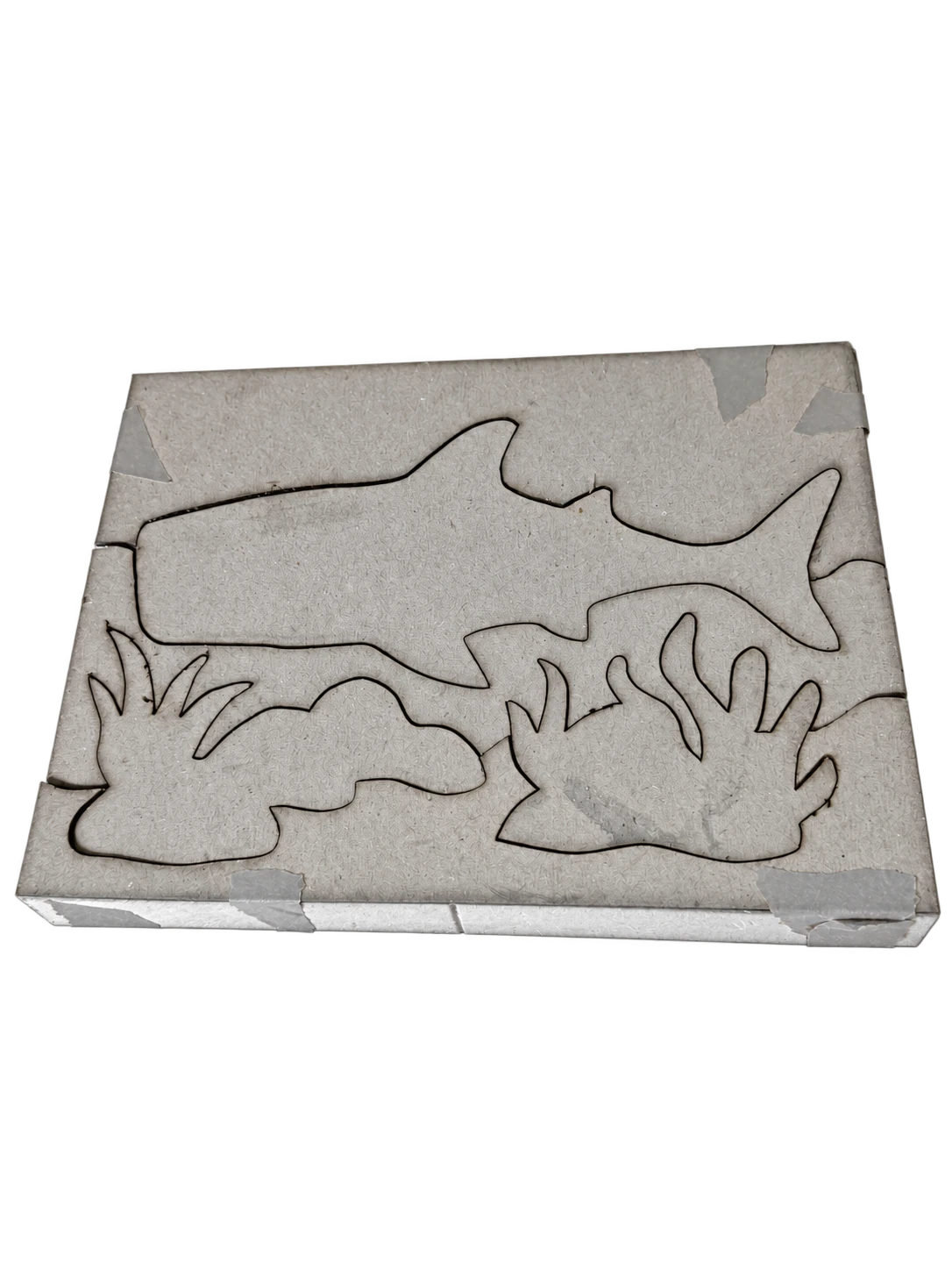
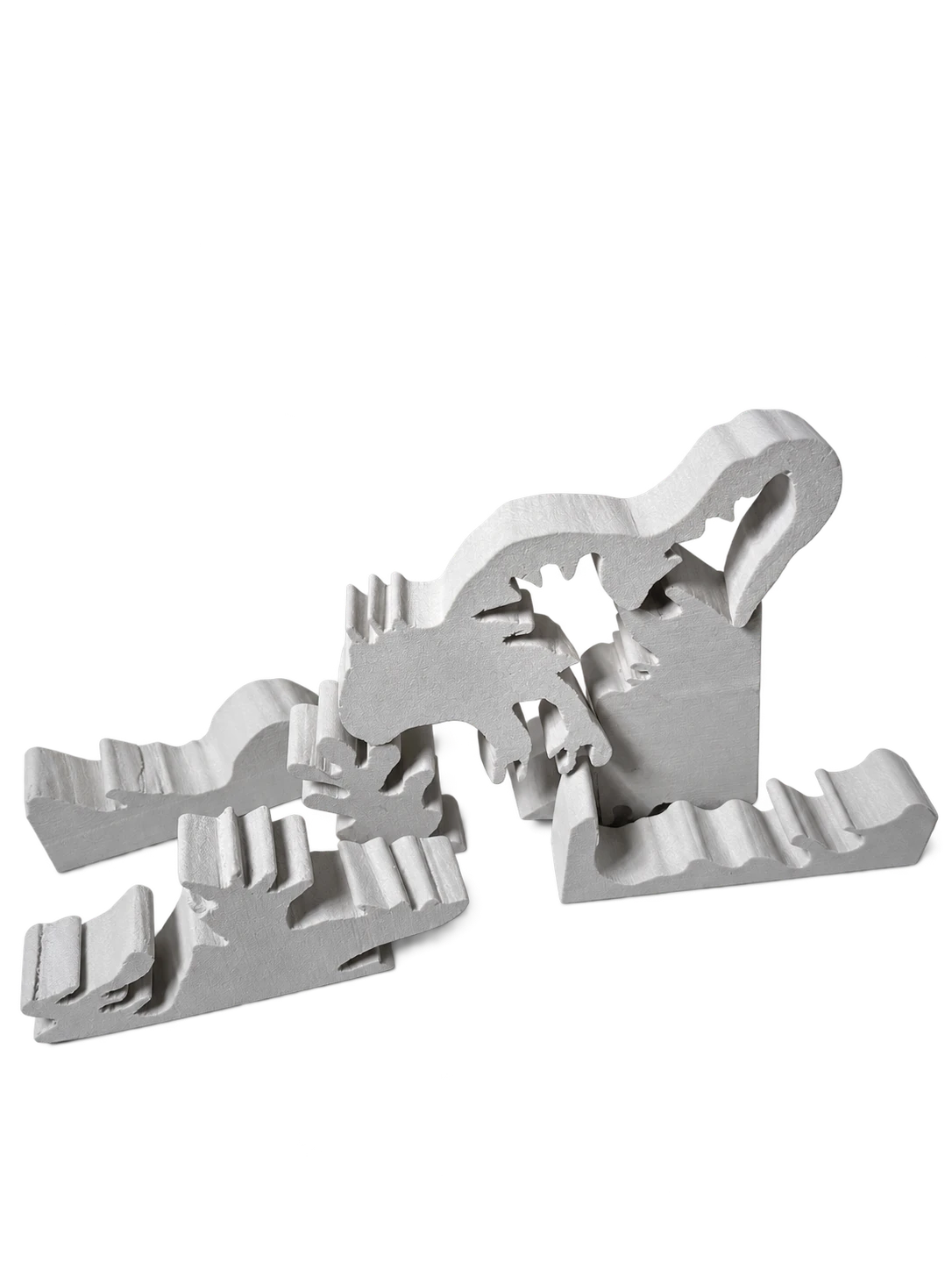
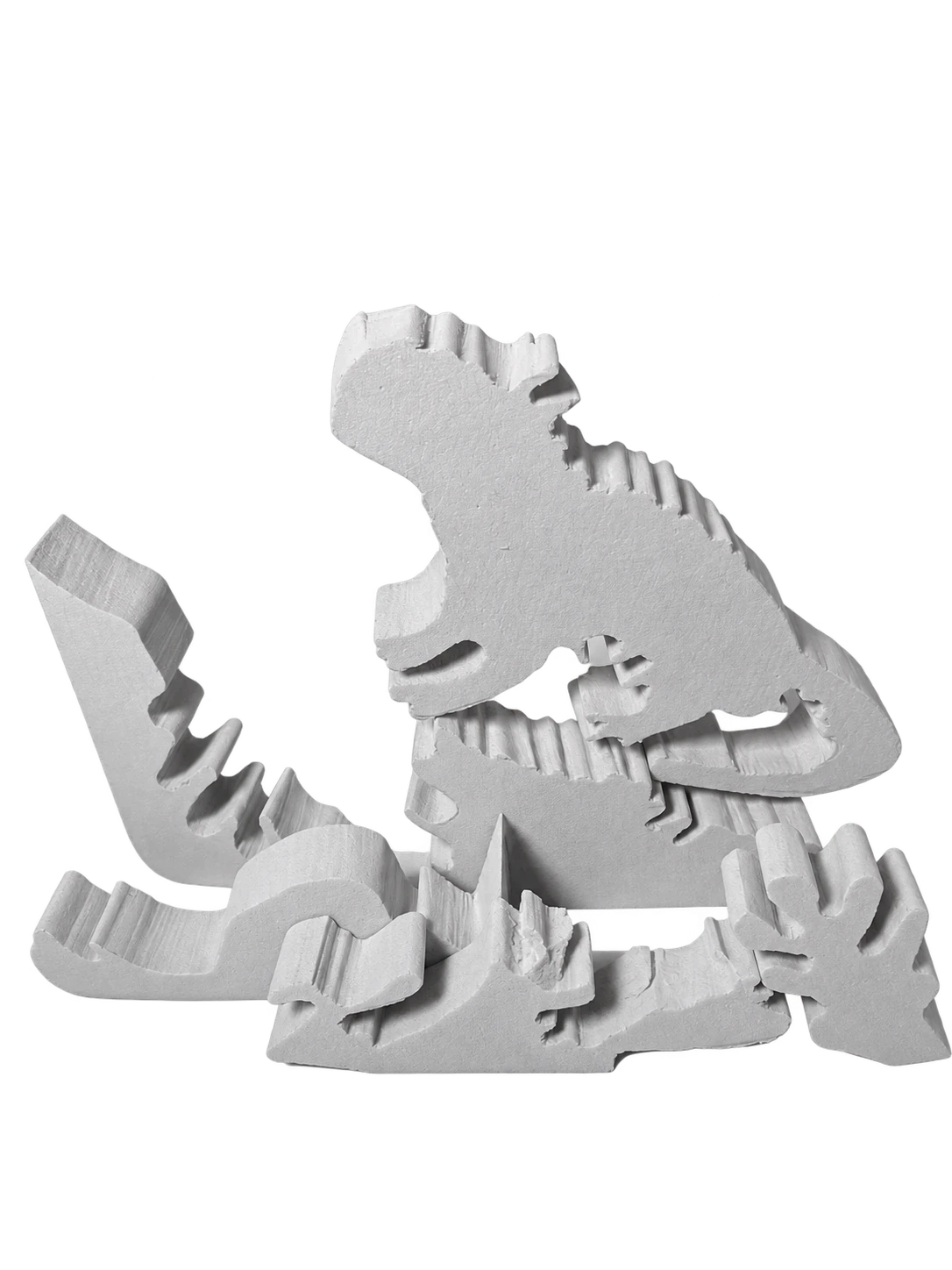
Concepts were translated into quick foam models to test fit, composition, and three-dimensional possibilities. The prototypes revealed which forms were strong enough to develop further.

04 What didn’t work

Useful ideas can still fail in the material.

Several OBO iterations did not perform as intended. Fragile details, material limitations, and difficulty maintaining the forms pushed the project toward a simpler, more achievable direction.

05 Final development

One composition. Many ways to play.

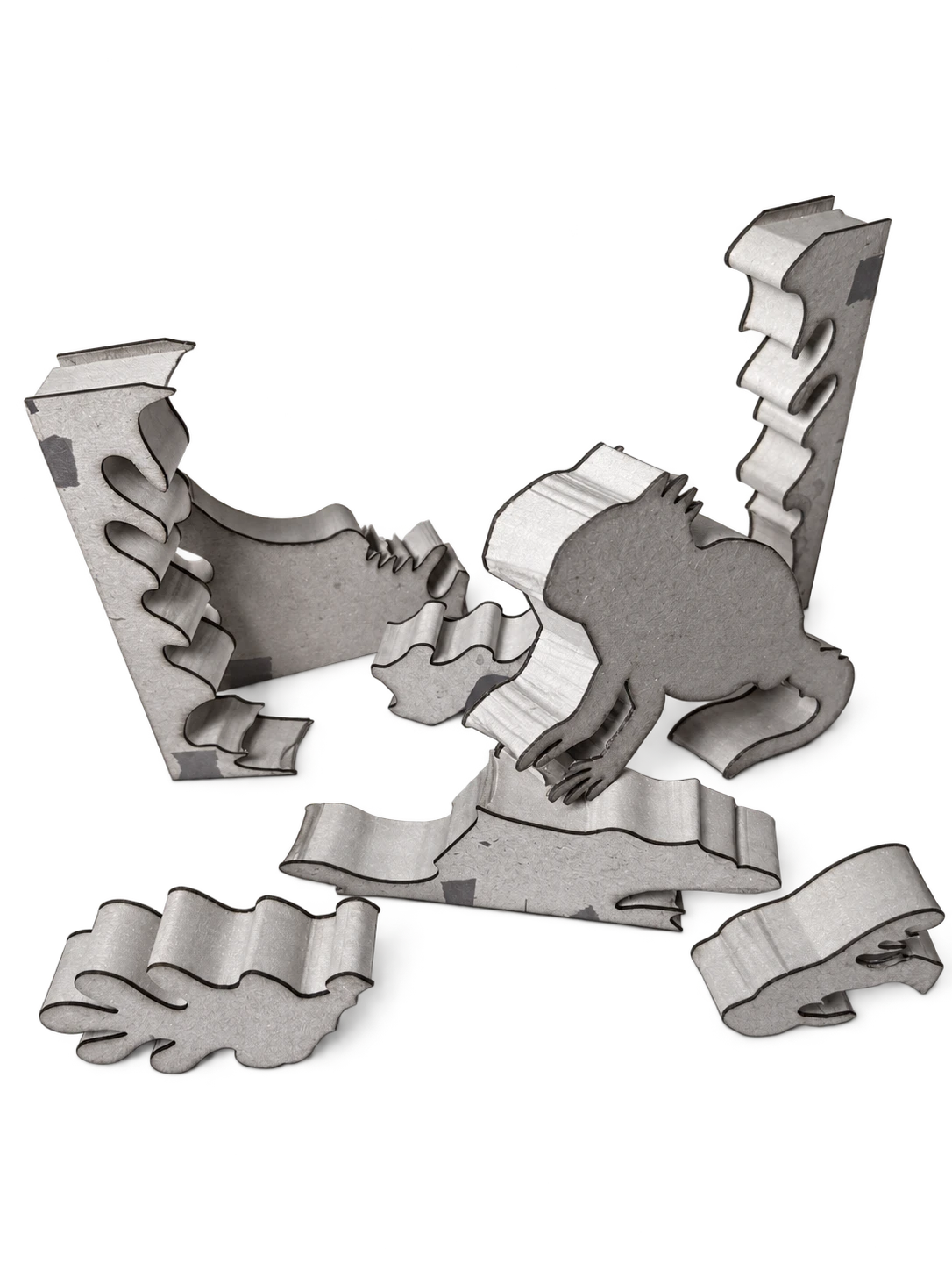
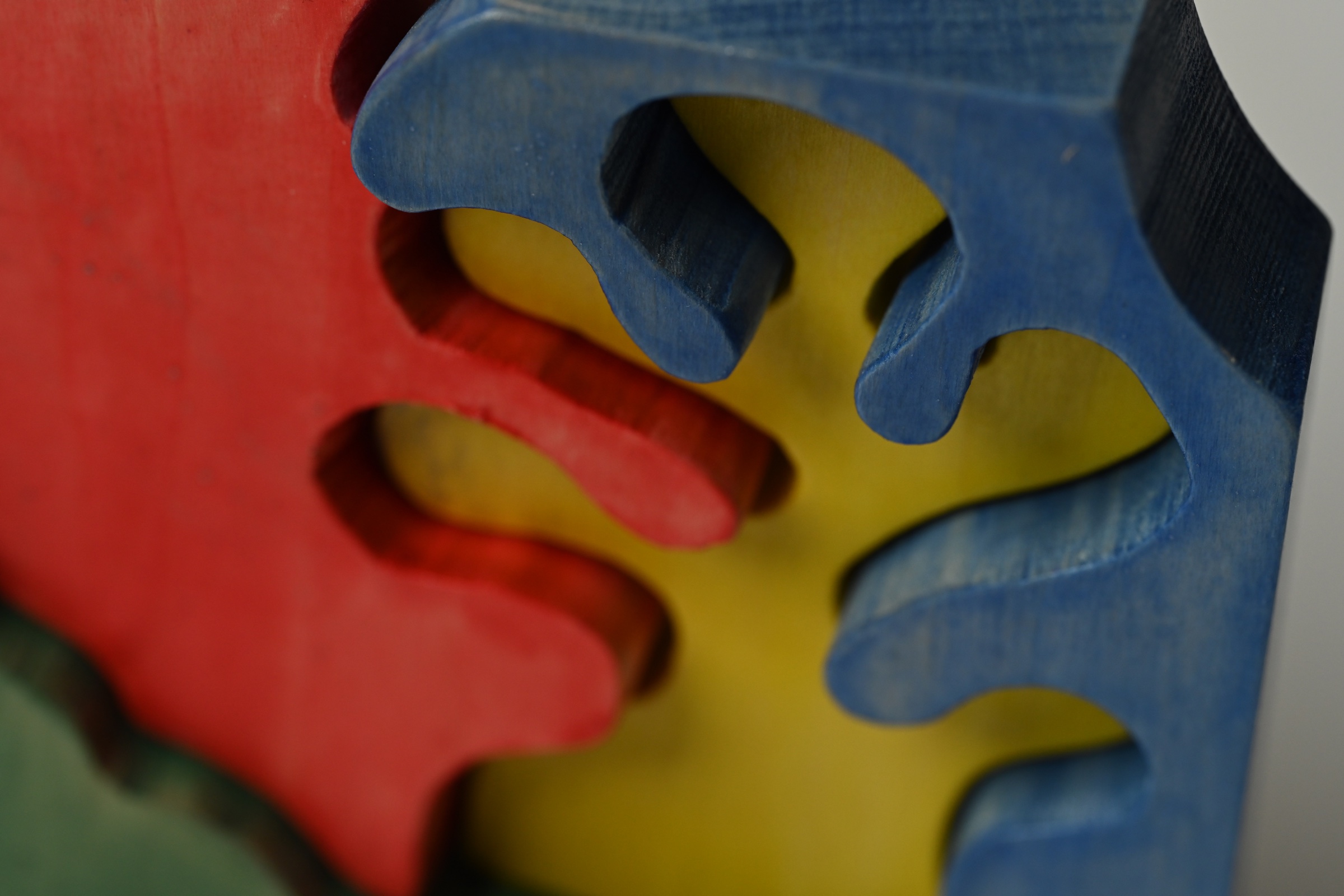
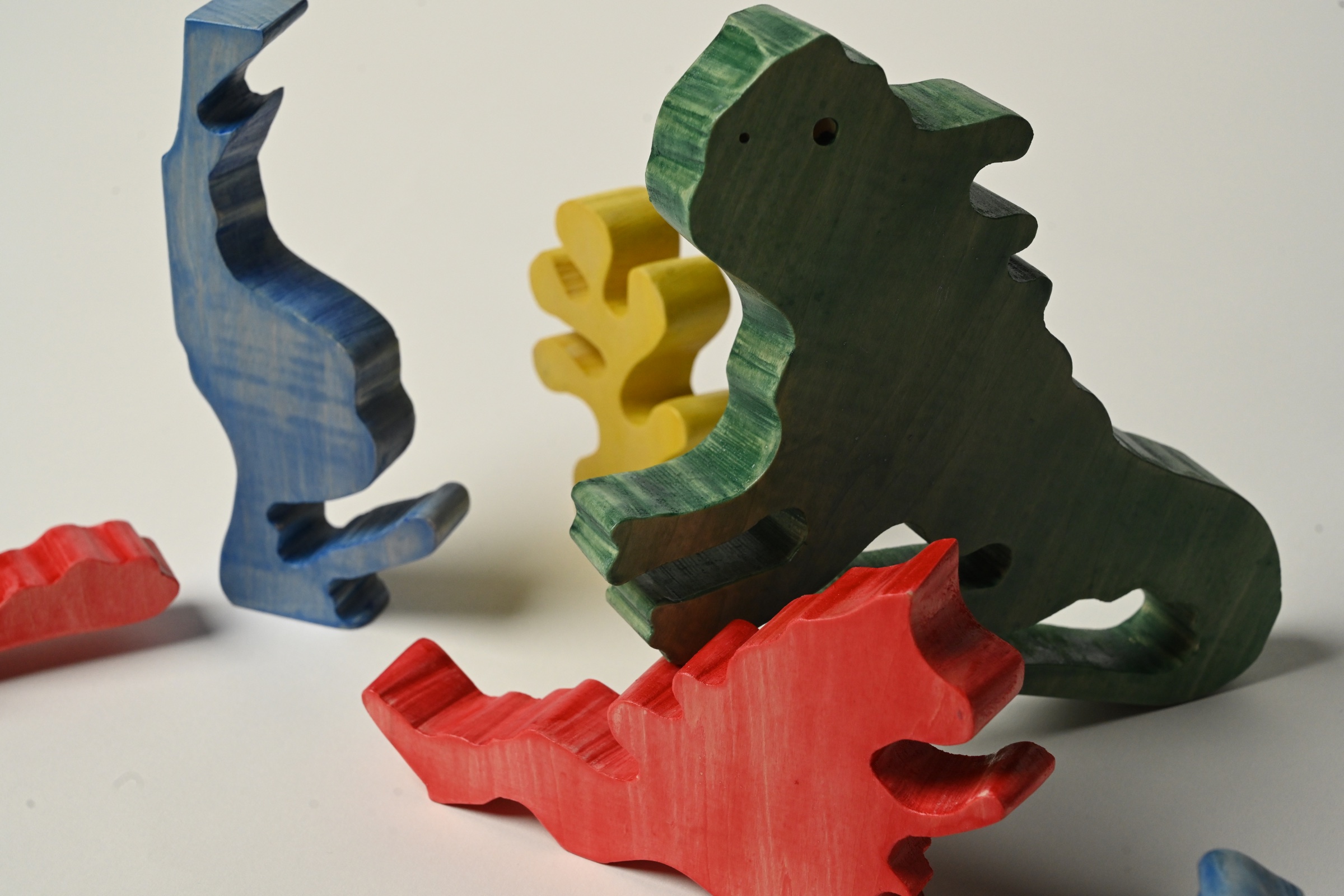
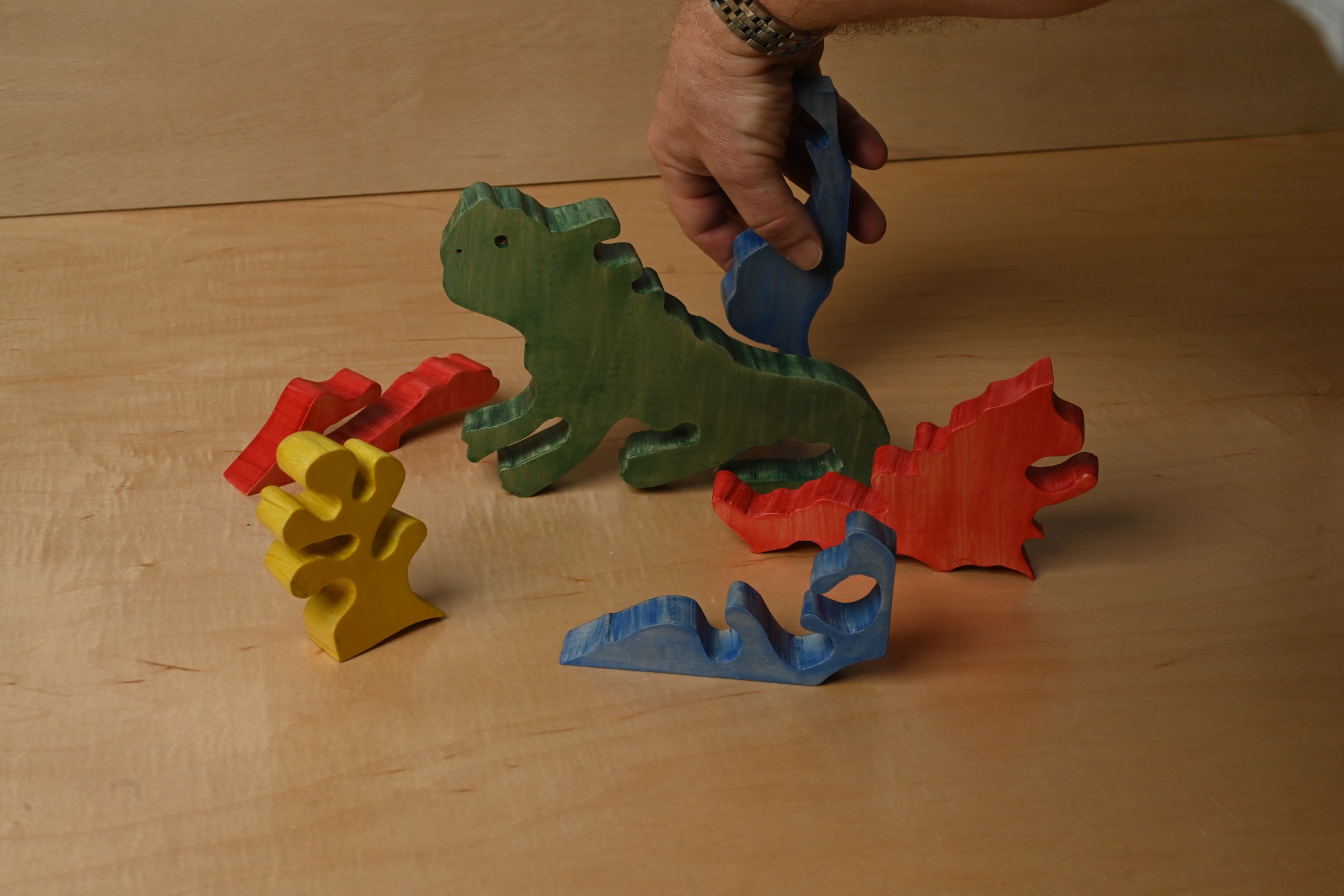
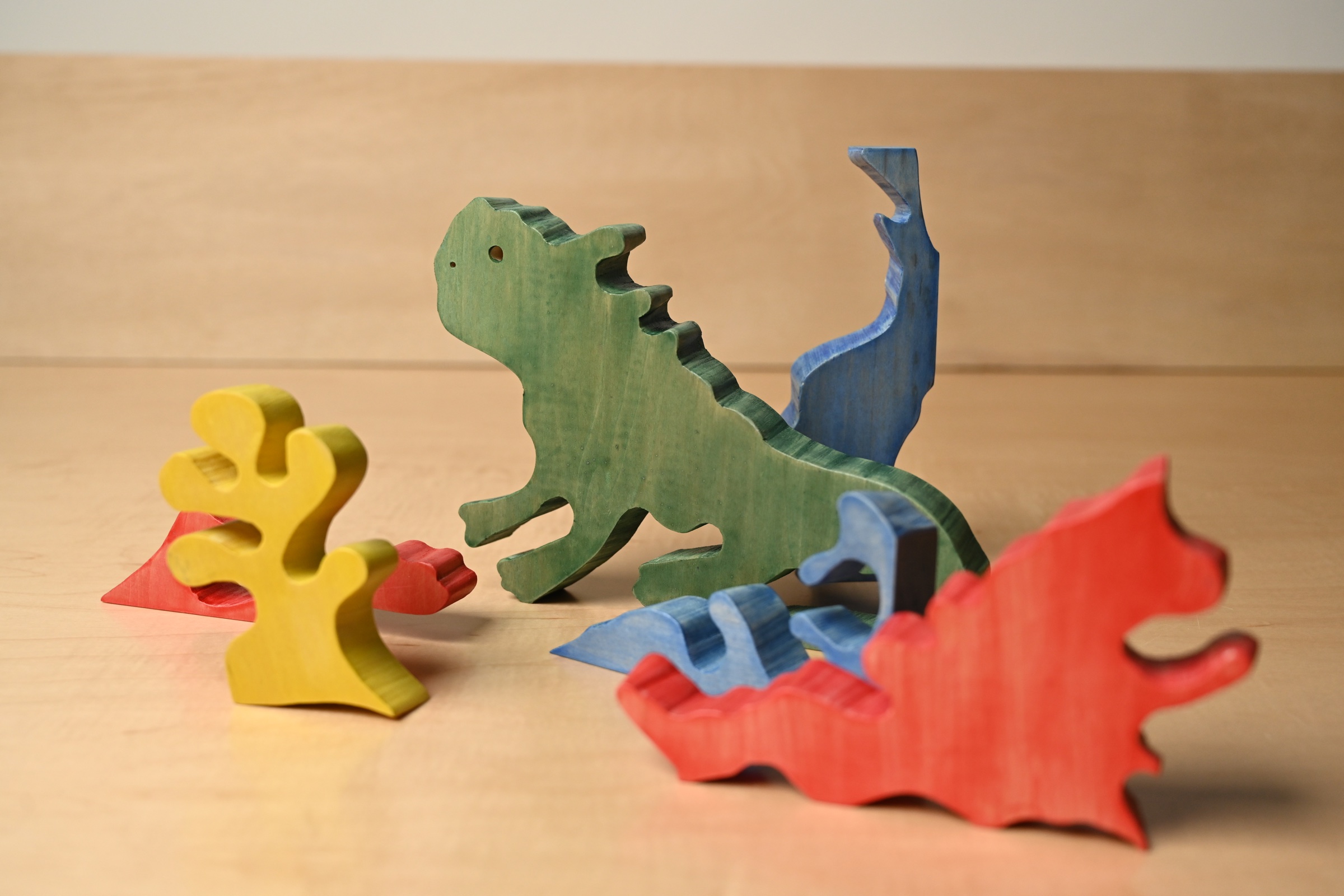
The final wooden pieces read as a complete 2D puzzle, then become independent characters, scenery, and supports when removed from the frame.

03 Outcome

Solve it. Then reshape it.

The final PiecePals design extends beyond a traditional 2D puzzle. Once removed from the frame, the individual pieces can stand, interact, and create new compositions, making the experience more playful and open-ended.

The process also exposed important lessons about material limits and manufacturability. Concepts that could not be produced reliably were simplified, and those constraints directly shaped the final direction.

Solve. Stand. Play.

03 Why it mattered

Why it mattered

PiecePals explored what happens when completing a puzzle opens up another way to play. The individual pieces work within a flat composition and can stand on their own, giving the player room to invent a new scene after solving the puzzle.

Project film

From sketch to play

A film assembled from the original PiecePals process images. Iguana sketches, an early foam model, a failed assembly test, a three-dimensional wooden arrangement, and the finished flat puzzle.